

Quartz has become one of the most flexible and widely chosen surface materials in modern home design. Its popularity is not based on one single trend or look, but on its ability to adapt to very different interiors while maintaining consistency in performance and appearance. Homeowners today are no longer designing spaces around one fixed style for decades. Interiors evolve, preferences change, and materials that can visually adapt without constant replacement have a clear advantage.
That adaptability is one of the main reasons why interest in quartz countertops in Mullins, SC continues to grow. Quartz fits naturally into both traditional and contemporary homes, works equally well in kitchens and bathrooms, and supports a wide range of design directions without losing its relevance. This article explores how quartz adapts to different interior styles, why it performs so well across design categories, and what homeowners should consider when choosing quartz for their own spaces.
Why Quartz Works Across So Many Design Styles
One of the defining strengths of quartz is its visual consistency combined with design flexibility. Unlike materials that come with strong natural patterns that dictate the style of a room, quartz offers controlled variation. That balance allows it to complement a space rather than dominate it.
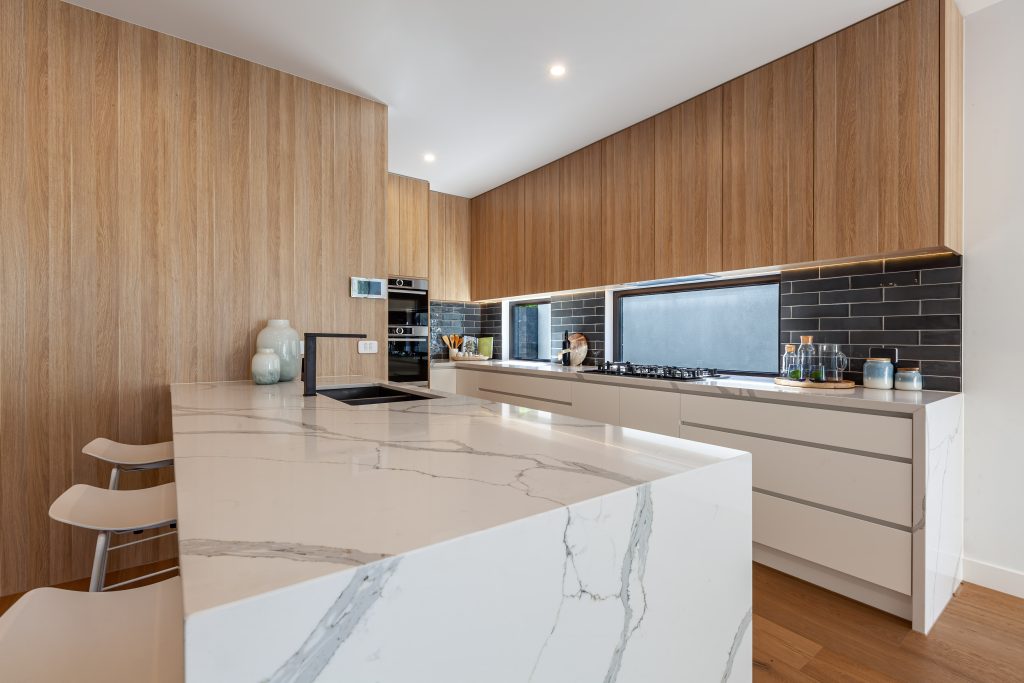
In modern interiors, quartz is often used to reinforce clean lines and minimalism. Smooth finishes, subtle veining, and neutral tones help create spaces that feel open and intentional. Quartz doesn’t compete with cabinetry, lighting, or architectural details. Instead, it supports them, allowing other design elements to stand out.
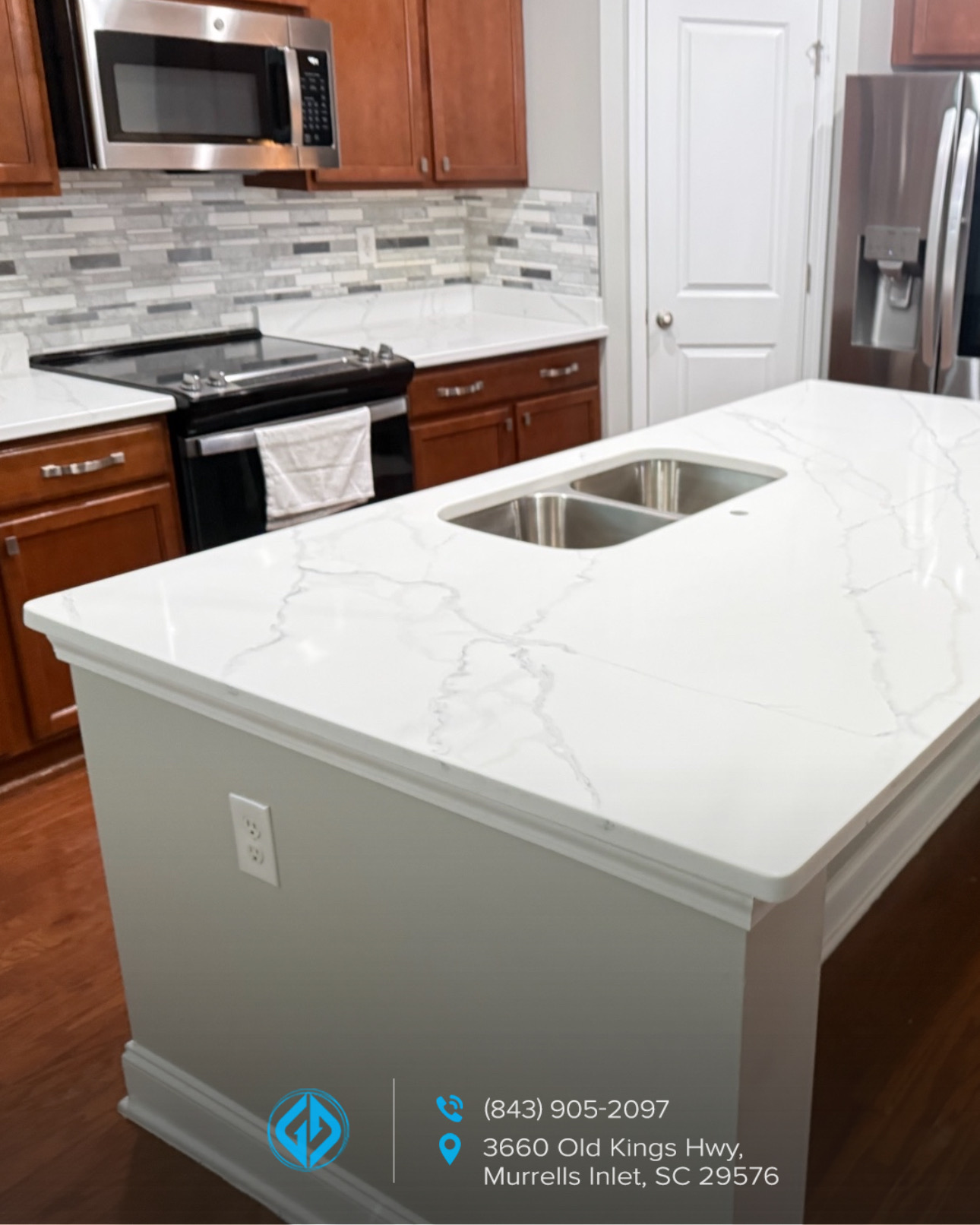
In more traditional interiors, quartz adapts by mimicking classic stone patterns while offering improved performance. Softer veining, warmer undertones, and timeless color palettes allow quartz to blend into designs that prioritize comfort and familiarity. The surface feels refined without appearing overly modern or out of place.
This versatility is one reason quartz countertops in Mullins, SC appeal to homeowners who want longevity in their design choices. A kitchen designed today with quartz can still feel relevant years later, even if surrounding elements like paint colors or fixtures are updated.
Granite Depot of Myrtle Beach works with homeowners who value this flexibility. By offering quartz options that span a wide range of visual styles, they help clients choose surfaces that support both current preferences and future changes.
Quartz in Contemporary and Minimalist Interiors
Contemporary and minimalist interiors rely heavily on balance and restraint. Every surface plays a role in maintaining visual clarity, and excess detail can quickly overwhelm the space. Quartz fits naturally into this design philosophy because of its uniformity and clean appearance.
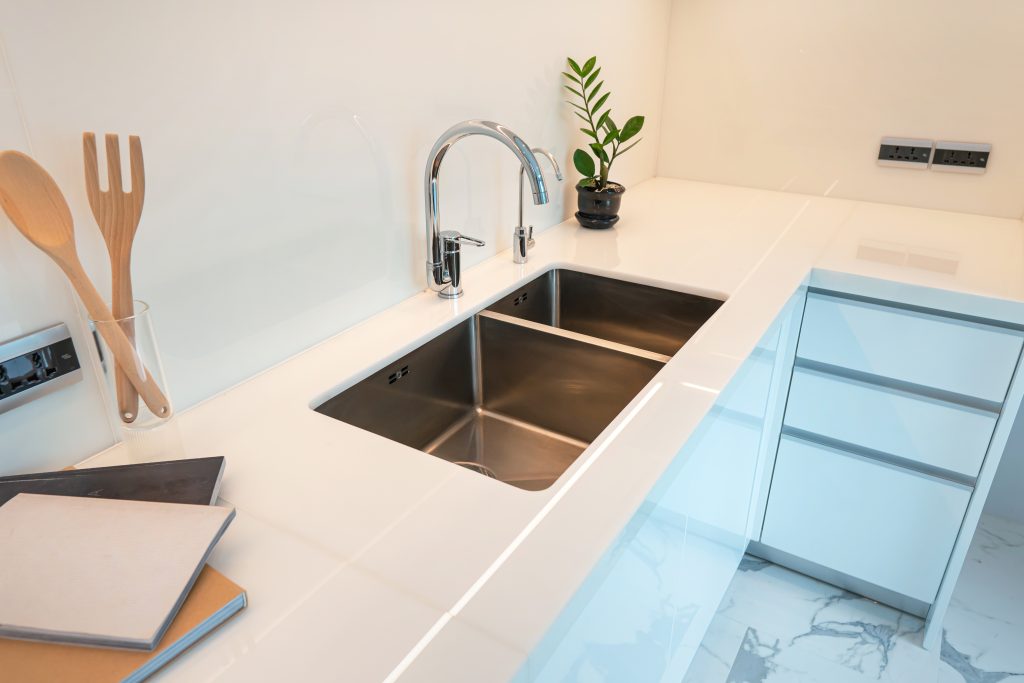
In minimalist kitchens, quartz is often chosen in solid or lightly veined finishes. These surfaces reflect light evenly, helping spaces feel brighter and more open. When paired with flat-panel cabinetry and simple hardware, quartz creates a seamless visual flow that feels intentional rather than sparse.
Another advantage in contemporary interiors is consistency. Quartz slabs offer predictable patterns, which is especially important when large surfaces like islands or full-height backsplashes are involved. This predictability allows designers and homeowners to plan layouts with confidence, avoiding unexpected visual interruptions.
Quartz countertops in Mullins, SC are frequently selected for open-concept homes where kitchens are visually connected to living areas. In these layouts, quartz helps maintain cohesion across spaces. The surface doesn’t demand attention, but it quietly supports the overall aesthetic.
Performance also matters in modern interiors, where functionality is just as important as appearance. Quartz’s non-porous nature makes it resistant to staining and easy to maintain, aligning well with the low-maintenance expectations often associated with contemporary living.
How Quartz Complements Traditional and Transitional Designs
While quartz is often associated with modern interiors, it performs just as well in traditional and transitional spaces. These designs prioritize warmth, balance, and a sense of continuity rather than sharp contrast. Quartz adapts by offering softer patterns and colors that feel familiar without sacrificing durability.
In traditional kitchens, quartz can echo the look of classic stone while eliminating some of the maintenance concerns. Subtle veining and warm tones allow the surface to blend naturally with raised-panel cabinetry, decorative molding, and traditional fixtures. The result is a space that feels grounded and timeless.
Transitional interiors benefit especially from quartz’s adaptability. Transitional design sits between classic and modern, combining elements of both. Quartz supports this balance by acting as a neutral anchor. It bridges styles without leaning too heavily in one direction, allowing homeowners to mix materials and finishes more freely.
Quartz countertops in Mullins, SC are often chosen by homeowners who want their kitchens or bathrooms to age gracefully. Rather than committing to a highly stylized look, they prefer surfaces that will continue to feel appropriate as trends shift. Quartz delivers that sense of stability.
Granite Depot of Myrtle Beach frequently helps clients select quartz options that align with these goals. By focusing on proportion, tone, and pattern, they guide homeowners toward choices that enhance traditional spaces without making them feel dated.
Practical Considerations When Choosing Quartz for Your Interior Style
Choosing quartz is not just about aesthetics. Practical considerations play a significant role in how well the surface performs within a given design. Understanding how quartz interacts with lighting, cabinetry, and usage patterns helps ensure long-term satisfaction.
Lighting is one important factor. Quartz surfaces reflect light differently depending on finish and color. Lighter quartz can amplify natural light, making smaller spaces feel more open. Darker quartz adds depth and contrast, especially in well-lit rooms. Matching the surface to the lighting conditions of the space helps avoid unintended visual effects.
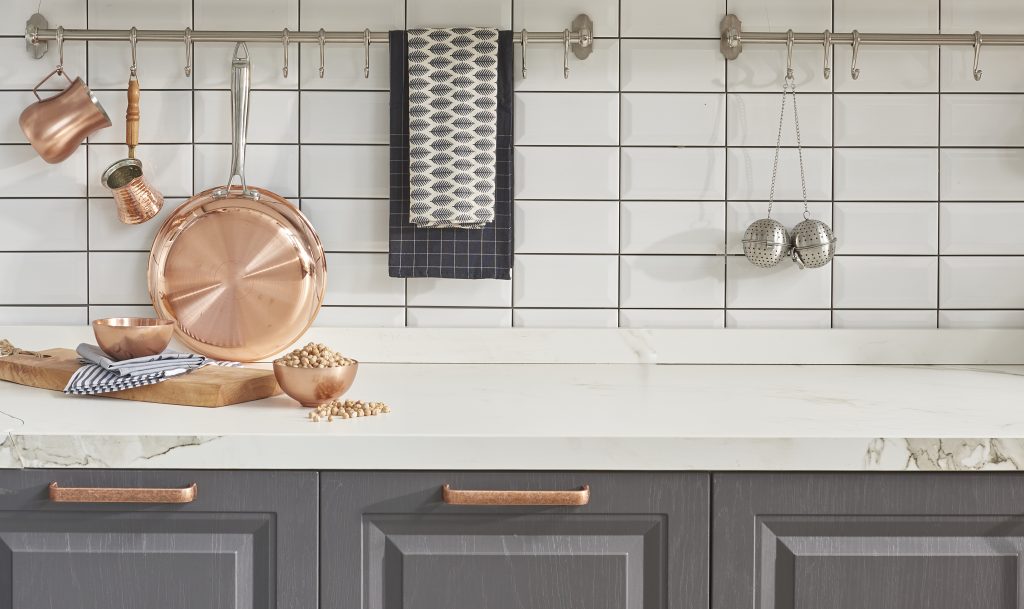
Cabinetry also influences how quartz is perceived. In modern interiors, quartz often pairs with sleek, understated cabinets. In traditional settings, it complements more detailed woodwork. Ensuring that the quartz tone aligns with cabinet finishes creates a cohesive look rather than visual tension.
Usage patterns should also guide selection. Kitchens with heavy daily use benefit from quartz’s durability and ease of maintenance. Bathrooms appreciate its resistance to moisture and staining. Quartz countertops in Mullins, SC are often chosen by homeowners who want a surface that supports real life without constant upkeep.
Installation quality is another key factor. Even the most suitable quartz surface can underperform if installed incorrectly. Precise measurements, proper support, and careful seam placement ensure that quartz looks and functions as intended. Working with experienced professionals helps protect the investment and the design vision.
Granite Depot of Myrtle Beach emphasizes these practical considerations when guiding homeowners. Their approach ensures that quartz is not only visually aligned with the interior style, but also technically suited to the space.
In the end, the reason quartz adapts so well to different interior styles is simple. It offers balance. It provides enough variation to feel natural, enough consistency to feel controlled, and enough durability to support everyday living. Quartz countertops in Mullins, SC are chosen not because they fit one specific trend, but because they fit many. That adaptability makes quartz a lasting choice for homes designed to evolve rather than remain static.