


When it comes to kitchen renovations, one of the most popular decisions homeowners face is choosing the right material for countertops. Quartz has become a go-to option in recent years due to its many benefits. Advertised as low-maintenance, quartz kitchen countertops in Tabor City, NC, have captured the attention of homeowners seeking a durable and stylish solution for their kitchens. But is quartz really as low-maintenance as it’s made out to be? To answer this, we need to dive into the properties of quartz, how it compares to other materials, and whether the maintenance required aligns with what homeowners expect.
Granite Depot of Myrtle Beach has helped countless families choose the best countertops for their kitchens, and quartz is often a top recommendation. Let’s explore why quartz has gained such widespread popularity, what makes it low maintenance, and what homeowners need to know about caring for it.
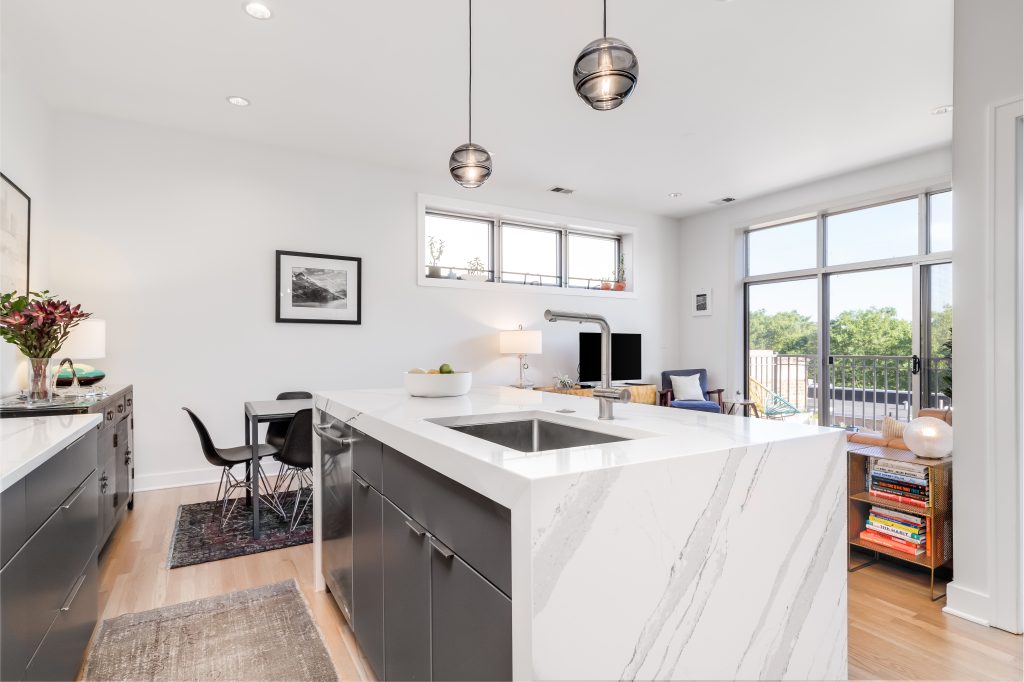
The Appeal of Quartz Kitchen Countertops
Quartz countertops are made from natural quartz crystals, combined with resins and pigments to create a highly durable and non-porous surface. This engineered stone is designed to mimic the beauty of natural stones like granite and marble, but with enhanced features. One of the key selling points of quartz is its resistance to staining, scratching, and etching. Unlike marble, which can easily stain from acidic substances like wine or lemon juice, quartz is less likely to absorb liquids, making it more practical for everyday use in a busy kitchen.
For homeowners in Tabor City, NC, quartz kitchen countertops provide an attractive and versatile option. Available in a variety of colors and patterns, quartz offers the design flexibility to suit any kitchen style, from sleek, modern designs to more traditional spaces. Plus, the consistency of color and pattern in quartz means that homeowners don’t have to worry about the irregularities seen in natural stone, making it a more predictable choice for design.
However, while quartz is often advertised as low-maintenance, it’s important to understand exactly what that means and what kind of upkeep is required to keep it looking its best.
How Low is the Maintenance for Quartz Countertops?
When quartz is promoted as low-maintenance, it’s primarily due to its non-porous nature. Unlike granite or marble, which require sealing to protect against stains, quartz doesn’t need this extra layer of protection. This is a significant benefit for homeowners looking for a countertop that doesn’t demand sealing every few months.
Additionally, quartz kitchen countertops in Tabor City, NC, are resistant to bacteria growth because liquids cannot penetrate the surface. This feature makes quartz a hygienic choice for food preparation areas, where cleanliness is a priority. Routine cleaning typically only requires mild soap and water, making it easy to maintain.
Despite these low-maintenance claims, there are still certain care guidelines that should be followed to ensure quartz remains in top condition. It is resistant to stains, but not impervious to all types of damage. Quartz countertops can still be affected by harsh chemicals, sharp objects, and extreme heat. While it’s heat-resistant to a certain degree, placing hot pots or pans directly on a quartz countertop can cause damage to the surface over time. The resins in quartz may weaken under extreme heat, leading to discoloration or even cracking in rare cases.
For most homeowners, this means that quartz countertops are incredibly easy to maintain in daily life, but some precautionary steps are still required to preserve their beauty in the long run.
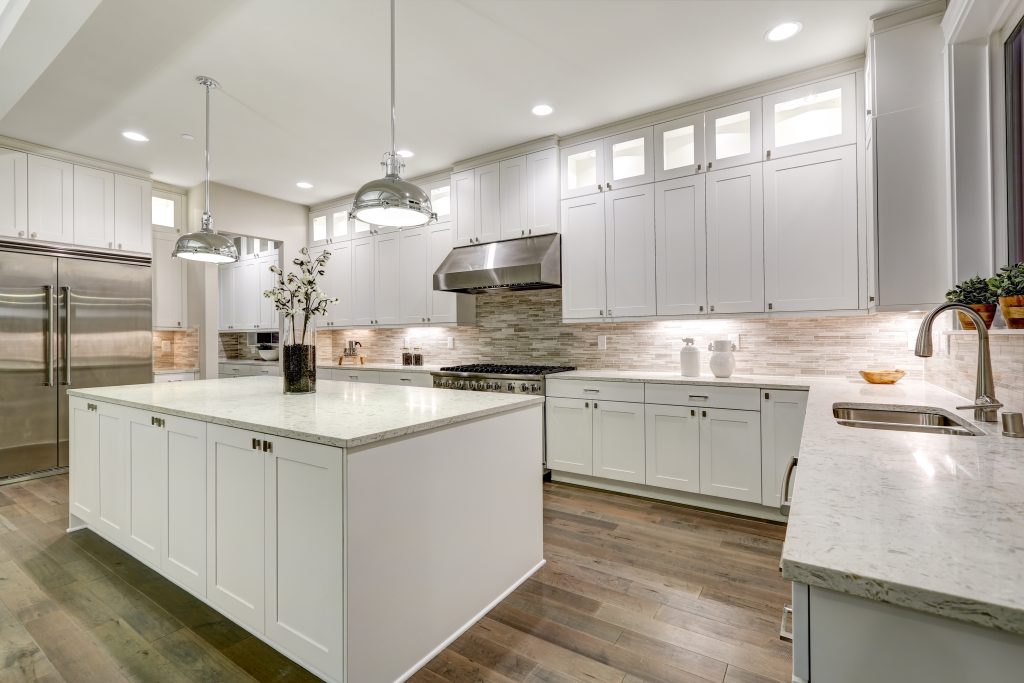
What Are the Drawbacks of Quartz’s “Low Maintenance” Reputation?
While quartz is less demanding than other natural stone surfaces like granite or marble, it is still important for homeowners to be aware of the potential drawbacks. For example, although quartz is highly durable, it is not completely immune to scratches. Sharp objects like knives or heavy-duty kitchen tools can leave marks on the surface. While minor scratches can usually be buffed out, it’s best to use cutting boards and avoid direct contact with sharp objects to prevent any damage.
Additionally, quartz is not as resistant to high heat as granite or certain other stones. While it may tolerate brief exposure to hot pots or pans, prolonged contact with heat can result in surface damage, such as discoloration or cracking. This is a key difference between quartz and other materials like granite, which can withstand high heat more effectively. To mitigate this, homeowners should always use trivets or hot pads when placing hot cookware on their quartz countertops.
Despite these considerations, the care required for quartz kitchen countertops in Tabor City, NC is minimal compared to natural stone surfaces. Sealing is not necessary, and daily cleaning is as simple as wiping the surface with a damp cloth. For most families, this ease of maintenance makes quartz an attractive option.
Comparing Quartz to Other Countertop Materials
While quartz certainly has its advantages, how does it compare to other popular countertop materials like granite, marble, or laminate? Let’s take a look at some of the key differences:
- Granite vs. Quartz: Both granite and quartz are incredibly durable and offer similar aesthetic qualities, but granite requires periodic sealing to prevent stains, while quartz does not. Granite is a natural stone, which means it comes with natural variations, making each slab unique. In contrast, quartz is engineered, offering more consistent patterns and colors. While both materials are heat and scratch-resistant, granite tends to be slightly more heat-resistant than quartz.
- Marble vs. Quartz: Marble is known for its luxury appeal and classic beauty, but it is much more high-maintenance than quartz. Marble is prone to staining from acidic substances like wine, coffee, and vinegar, and it requires regular sealing. On the other hand, quartz is non-porous and much easier to maintain in terms of stains and general wear. While marble offers a unique aesthetic, quartz provides a more practical solution for homeowners who prioritize durability and ease of maintenance.
- Laminate vs. Quartz: Laminate countertops are an affordable option, but they don’t offer the same level of durability or aesthetic appeal as quartz. Laminate is more prone to scratches, burns, and stains, and it lacks the natural beauty that quartz provides. Quartz kitchen countertops in Tabor City, NC, are a superior option for homeowners who want a long-lasting, beautiful surface without the constant maintenance required for laminate.
For those looking for a countertop material that blends practicality with luxury, quartz kitchen countertops in Tabor City, NC strike the perfect balance.
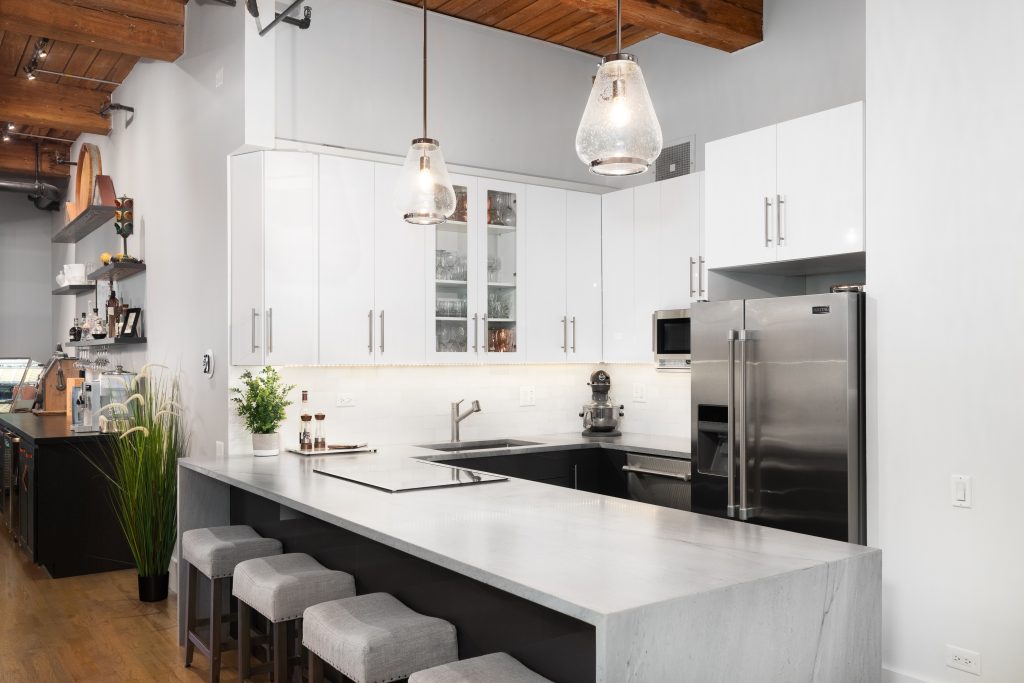
Why Choose Quartz for Your Kitchen?
When deciding on a countertop material, many homeowners prioritize ease of maintenance, durability, and style. Quartz kitchen countertops in Tabor City, NC check all these boxes. With its non-porous surface, quartz is low-maintenance, hygienic, and highly resistant to stains and bacteria. While it requires some precautions, such as avoiding direct heat and using cutting boards, its long-term value makes it a wise investment for most families.
Granite Depot of Myrtle Beach has helped many customers choose quartz for their kitchens due to its versatility and ease of upkeep. Quartz countertops come in a variety of colors and patterns, allowing homeowners to find the perfect fit for their design style, whether it’s modern, classic, or somewhere in between. With its combination of beauty, functionality, and low-maintenance care, quartz continues to be one of the most popular choices for kitchens in Tabor City, NC, and beyond.