


Living near the ocean offers many benefits—stunning views, a relaxed lifestyle, and the soothing sound of waves. However, coastal living also comes with unique challenges, particularly when it comes to maintaining your home. One of the common issues homeowners face in coastal areas is the growth of mold and mildew, especially on kitchen countertops. The high humidity and salt air prevalent in these regions can create the perfect environment for mold and mildew to thrive. In this article, we will explore practical strategies to prevent mold and mildew on your kitchen countertops in North Myrtle Beach, SC. We’ll also discuss how Granite Depot of Myrtle Beach can help you select and maintain countertops that are well-suited to coastal living.
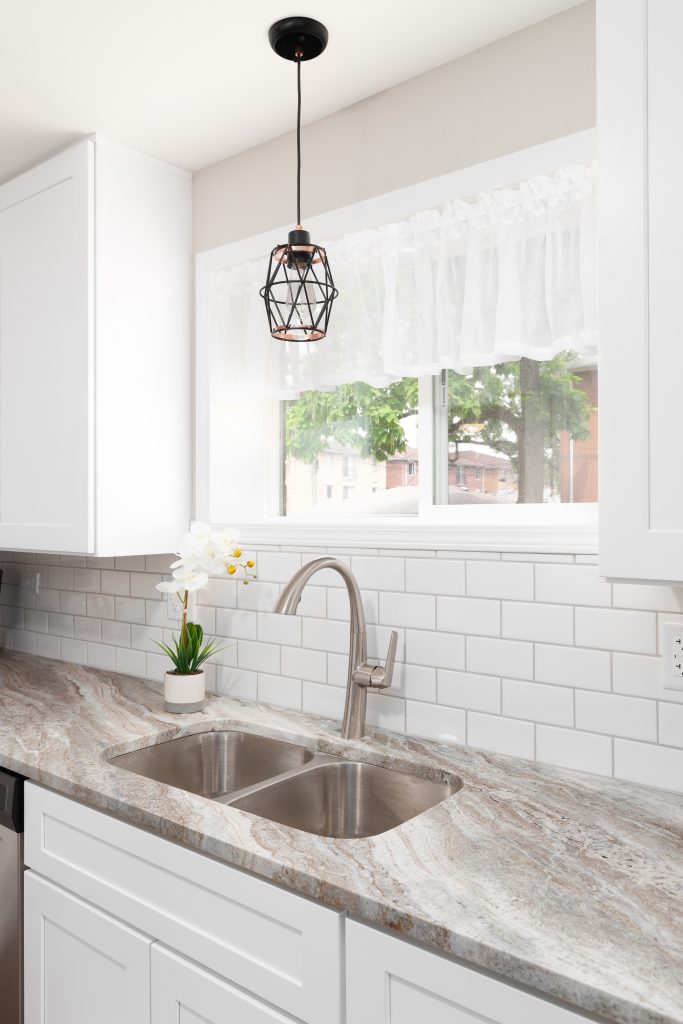
Understanding the Challenge: Why Coastal Kitchens Are Prone to Mold and Mildew
Mold and mildew are types of fungi that thrive in damp, humid environments. They can grow on various surfaces, including kitchen countertops, and their presence is not only unsightly but can also pose health risks. Coastal areas like North Myrtle Beach are particularly susceptible to mold and mildew due to several factors:
High Humidity Levels
Coastal regions typically have higher humidity levels than inland areas. The moist air can seep into your home, creating a damp environment that is ideal for mold and mildew growth. In the kitchen, where water is frequently used, countertops can easily become a target for these fungi if not properly cared for.
Salt Air
The salt content in the air near the ocean can also contribute to mold and mildew problems. Salt retains moisture, and when it settles on your countertops, it can create a slightly damp surface that promotes mold and mildew growth. Additionally, the salt can corrode certain countertop materials, making them more vulnerable to damage and mold infiltration.
Frequent Temperature Fluctuations
Coastal areas often experience temperature fluctuations, especially between day and night. These changes can cause condensation to form on your countertops, adding to the moisture that mold and mildew need to grow.
Choosing the Right Countertop Material
The first step in preventing mold and mildew on your kitchen countertops is selecting the right material. Some materials are more resistant to moisture and mold growth than others. Here are a few options to consider:
Quartz
Quartz countertops in North Myrtle Beach, SC are an excellent choice for coastal kitchens. Quartz is a non-porous, engineered stone, meaning it does not absorb moisture like some natural stones can. This quality makes quartz highly resistant to mold and mildew. Additionally, quartz is easy to clean and maintain, which further helps in keeping mold and mildew at bay.
Granite
Granite is a natural stone that is known for its durability and beauty. While granite is porous, it can be sealed to make it more resistant to moisture and mold. Sealing your granite countertops regularly creates a protective barrier that prevents water from penetrating the surface, thereby reducing the risk of mold and mildew growth. Granite Depot of Myrtle Beach offers a variety of granite options and professional sealing services to ensure your countertops are protected.
Solid Surface
Solid surface countertops, such as those made from materials like Corian, are another good option for coastal kitchens. These countertops are non-porous and resist moisture, making them less likely to harbor mold and mildew. Solid surface countertops also have the advantage of being repairable—any scratches or stains can be buffed out, keeping the surface smooth and less likely to trap moisture.
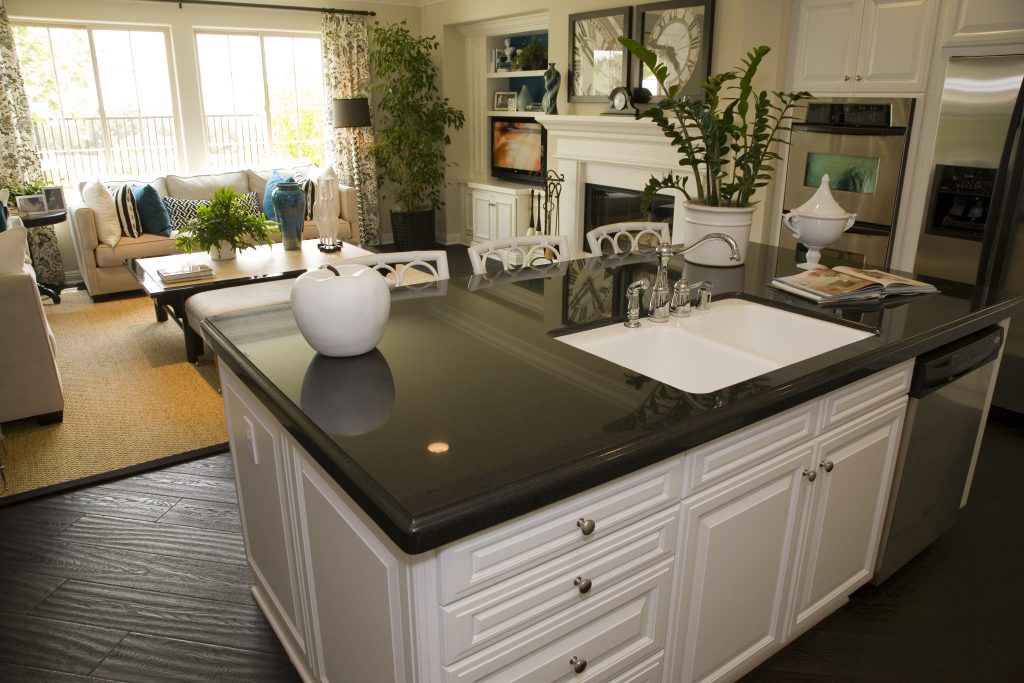
Proper Sealing and Maintenance
Even if you choose a mold-resistant countertop material, proper maintenance is essential to prevent mold and mildew from taking hold. Here are some key steps to keep your countertops in top condition:
Install and regularly use exhaust fans in your kitchen, especially when cooking or using hot water. Exhaust fans help to remove excess moisture from the air, reducing the overall humidity level in the kitchen. Make sure the fan is vented to the outside, not just into the attic or another part of the house, to effectively reduce moisture.
Regular Sealing
If you have granite or another natural stone countertop, sealing it regularly is crucial. Sealing fills in the pores of the stone, preventing moisture from seeping in. Depending on the type of stone and the amount of use your kitchen gets, you may need to reseal your countertops every 6 to 12 months. Granite Depot of Myrtle Beach can provide professional sealing services to ensure your countertops are adequately protected.
Daily Cleaning
Keeping your countertops clean and dry is one of the best ways to prevent mold and mildew. After using the kitchen, wipe down the countertops with a mild detergent and water, then dry the surface thoroughly with a clean towel. Avoid using harsh chemicals or abrasive cleaners, as these can damage the sealant or the surface of the countertops.
Address Spills Immediately
If you spill water, juice, or any other liquid on your countertops, clean it up immediately. Standing water or liquid can seep into cracks or seams, creating a breeding ground for mold and mildew. Regularly checking for and addressing any potential water damage will help keep your countertops mold-free.
Ventilation and Climate Control
Proper ventilation and climate control in your kitchen are essential for reducing humidity and preventing mold and mildew growth. Here’s how you can improve the air quality and moisture control in your coastal kitchen:
Use Exhaust Fans
Dehumidifiers
In areas with particularly high humidity, using a dehumidifier can be a great way to control moisture levels. A dehumidifier will remove excess moisture from the air, making your kitchen less hospitable to mold and mildew. Place the dehumidifier in a central location in your kitchen for optimal effectiveness.
Proper Ventilation
Ensure that your kitchen is well-ventilated by opening windows and doors when possible. Cross-ventilation helps to circulate fresh air throughout the space, reducing humidity levels. If your kitchen does not have good natural ventilation, consider installing additional vents or fans to improve airflow.
Inspect and Repair Caulking and Grout
Caulking and grout are often overlooked areas where mold and mildew can develop. Over time, caulking and grout can crack or wear away, allowing moisture to seep into the spaces between your countertops in North Myrtle Beach, SC and walls or sinks. This trapped moisture can quickly lead to mold growth.
Regular Inspections
Regularly inspect the caulking and grout around your countertops for any signs of wear, cracking, or discoloration. If you notice any issues, it’s important to address them promptly. Reapply caulk or grout as needed to seal any gaps and prevent moisture from penetrating these vulnerable areas.
Use Mold-Resistant Products
When applying new caulk or grout, choose mold-resistant products. These are specially formulated to resist mold and mildew growth, providing an extra layer of protection for your kitchen countertops. Granite Depot of Myrtle Beach can recommend and apply the best products for your specific countertop material.
Professional Help from Granite Depot of Myrtle Beach
While many of these preventative measures can be done by homeowners, professional assistance can ensure that your countertops remain in excellent condition, especially in the challenging coastal environment of North Myrtle Beach.
Expert Consultation
Granite Depot of Myrtle Beach offers expert consultation services to help you choose the best countertop materials and maintenance practices for your coastal home. Their team can provide advice on mold-resistant materials, proper sealing techniques, and effective cleaning methods tailored to the specific needs of your kitchen.
Professional Installation and Sealing
Professional installation is key to ensuring that your countertops are properly sealed and protected from the elements. The team at Granite Depot of Myrtle Beach has extensive experience with countertop installation in coastal environments. They use high-quality sealants and precise installation techniques to create a durable, moisture-resistant surface.
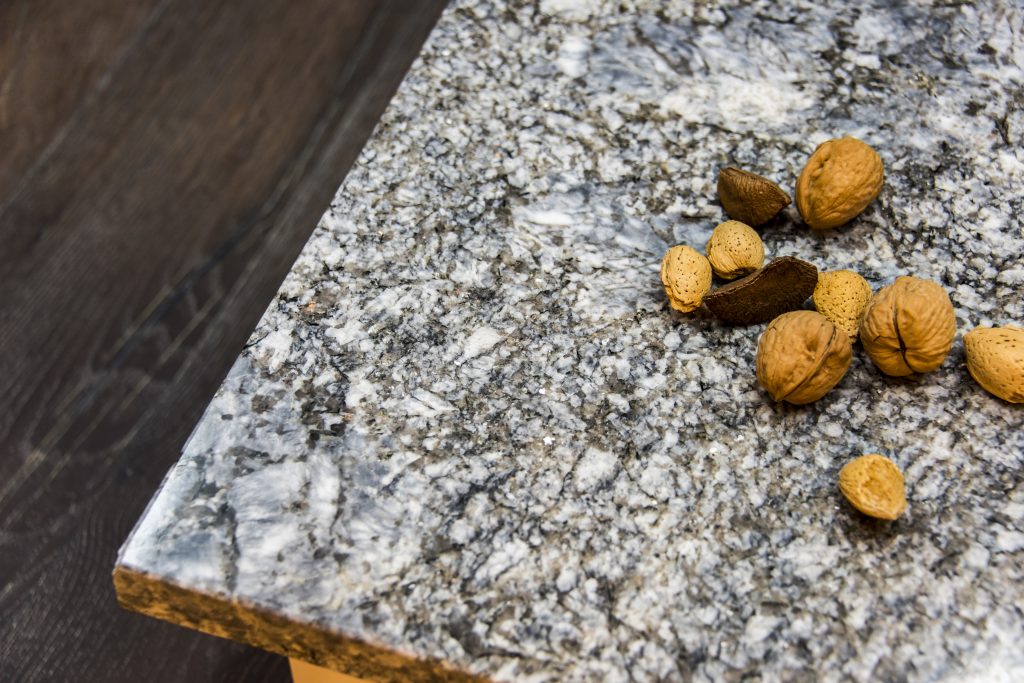
Conclusion: Protecting Your Coastal Kitchen Countertops
Mold and mildew are common concerns in coastal areas like North Myrtle Beach, but with the right strategies, you can keep your kitchen countertops looking pristine. By choosing the right materials, maintaining a clean and dry surface, ensuring proper ventilation, and using professional services from Granite Depot of Myrtle Beach, you can protect your countertops from the damaging effects of mold and mildew.
Investing in high-quality countertops and taking proactive steps to prevent mold growth will not only enhance the beauty and functionality of your kitchen but also extend the lifespan of your countertops. Contact Granite Depot of Myrtle Beach today to learn more about their countertop options and maintenance services designed for coastal living.