

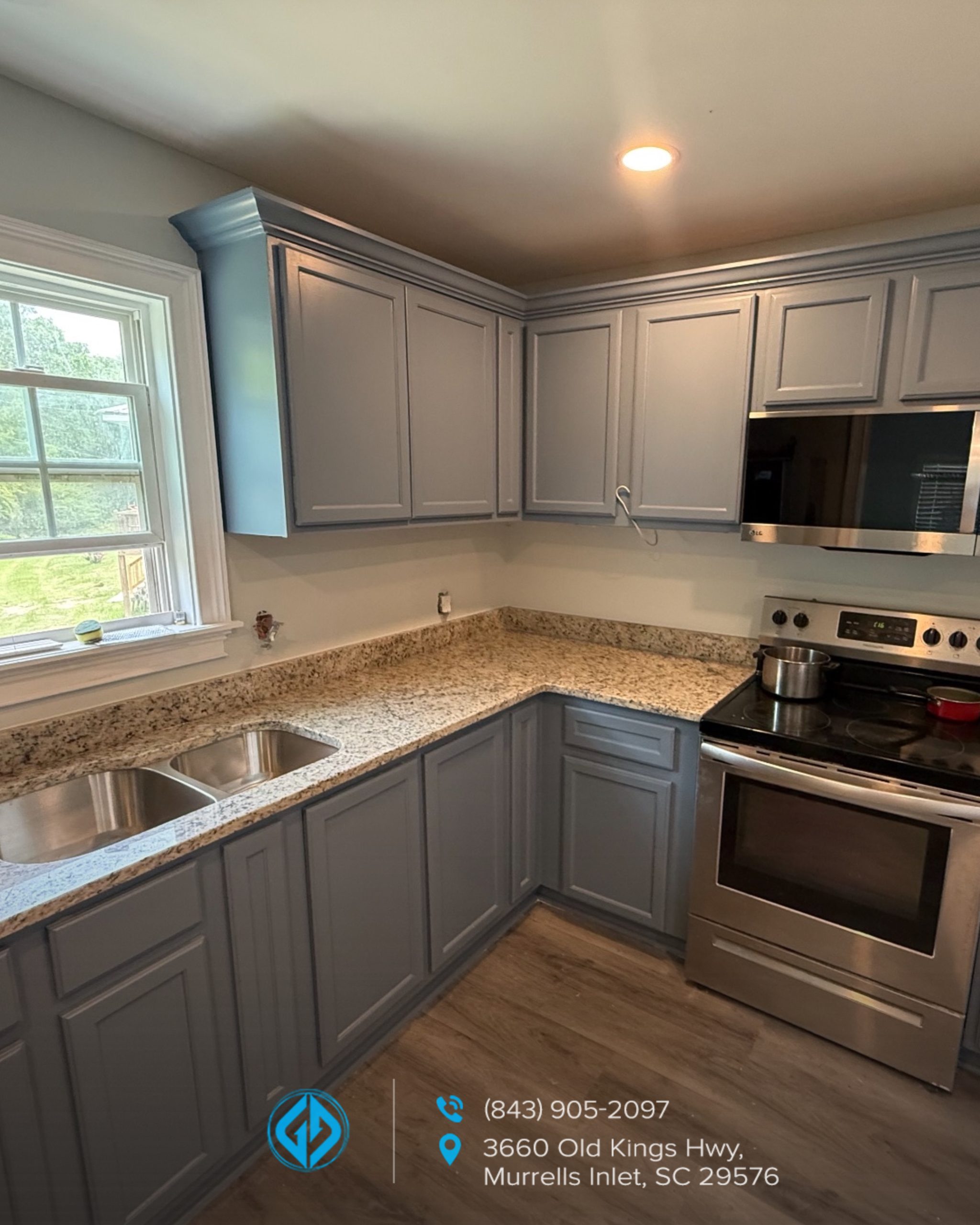
Quartzite is a good choice for homeowners who want natural stone with strong durability, natural movement, and a more refined look than many traditional countertop materials. It offers the depth of real stone, often with soft veining or dramatic patterns, while still performing well in busy kitchens when it is selected, sealed, fabricated, and installed properly.
At Granite Depot of Myrtle Beach, we often explain quartzite as a material for homeowners who want something natural but still practical. It is not the same as quartz, and it is not just a different name for granite. For homeowners comparing granite companies in Socastee, SC, quartzite is worth considering when they want a surface that feels natural, strong, and visually distinctive.
Is quartzite actually natural stone?
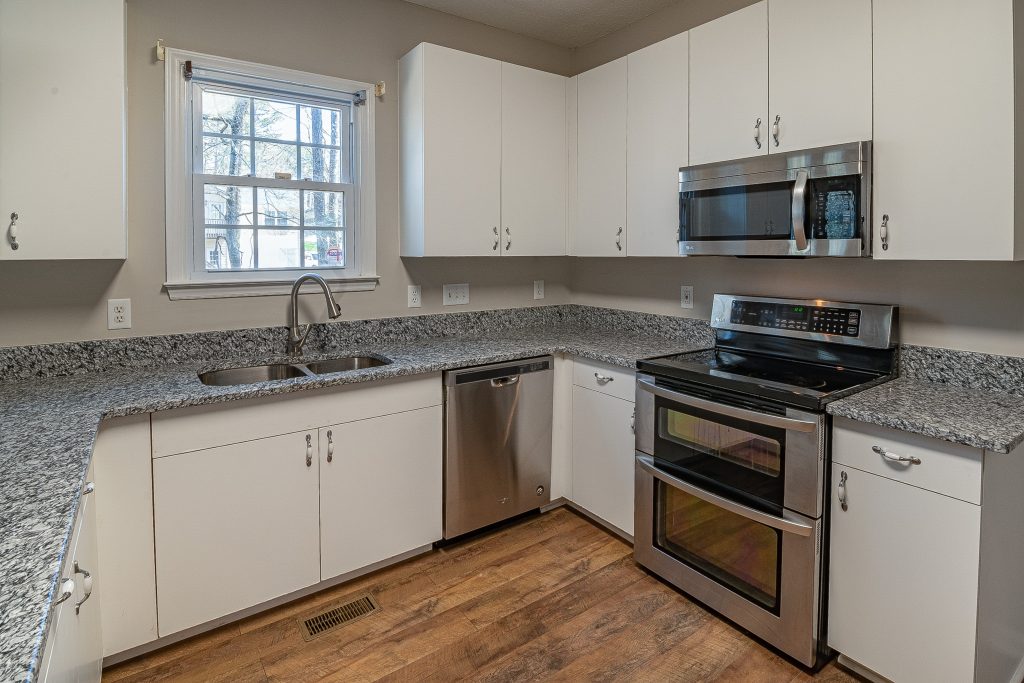
Yes, quartzite is a true natural stone formed from sandstone under heat and pressure. It is quarried from the earth, cut into slabs, fabricated, and installed like other natural stone surfaces.
This is one of the biggest differences between quartzite and quartz. Quartz is engineered using ground minerals, resins, and pigments. Quartzite is a natural slab, so every piece has its own movement, tone, veining, and mineral character.
For homeowners who want natural variation, quartzite can feel more interesting than a highly consistent engineered surface. When homeowners compare granite companies in Socastee, SC, this distinction matters because quartzite should be evaluated slab by slab, not only by a small sample.
How does quartzite compare with granite?
Quartzite and granite are both strong natural stones, but they do not look or behave exactly the same. Granite often has speckles, mineral clusters, waves, or mixed patterns. Quartzite often has softer veining, layered movement, or a marble-like appearance with better durability than marble.
Granite is often the more familiar option and starts around $42 per square foot. Quartzite starts around $75 per square foot because the material, availability, and fabrication needs can be more demanding. Both can work well in kitchens, bathrooms, islands, and backsplashes.
| Feature | Granite | Quartzite |
|---|---|---|
| Material type | Natural stone | Natural stone |
| Starting price | From about $42 per sq. ft. | From about $75 per sq. ft. |
| Heat resistance | High | High |
| Pattern style | Speckles, minerals, waves | Veins, layers, soft movement |
| Maintenance | Seal as needed | Seal as needed |
| Best use | Durable working kitchens | Natural statement surfaces |
Granite is practical and often more budget-friendly. Quartzite is usually chosen when homeowners want a more distinctive natural stone look.
Is quartzite better than marble for daily use?
Quartzite is usually better than marble for daily kitchen use because it is generally more resistant to scratching, heat, and acid-related wear. Marble is beautiful, but it can stain and etch more easily from lemon juice, vinegar, wine, tomato sauce, and harsh cleaners.
Quartzite gives some homeowners the look they wanted from marble without the same level of sensitivity. It can have soft white, gray, beige, cream, or dramatic veining that feels elegant without requiring the same care routine as marble.
Still, quartzite is not maintenance-free. It should be sealed as needed, cleaned with gentle products, and protected from long-term exposure to oils, dyes, and acidic spills.
How does quartzite compare with quartz?
Quartzite is natural stone, while quartz is engineered. Quartz is usually easier to maintain because it does not need sealing, but quartzite offers natural slab movement that engineered quartz cannot fully duplicate.
Quartz starts around $55 per square foot and is a strong choice for homeowners who want low maintenance, consistent color, and predictable patterning. Quartzite starts around $75 per square foot and is better for homeowners who want a natural, one-of-a-kind stone surface.
| Feature | Quartz | Quartzite |
|---|---|---|
| Material type | Engineered surface | Natural stone |
| Starting price | From about $55 per sq. ft. | From about $75 per sq. ft. |
| Sealing needed | No | Yes, as needed |
| Heat resistance | Moderate | High |
| Pattern control | Very consistent | Natural variation |
| Best for | Low-maintenance kitchens | Natural stone lovers |
For homeowners researching granite companies in Socastee, SC, the choice often comes down to lifestyle. Quartz is easier. Quartzite feels more natural.
Does quartzite stain easily?
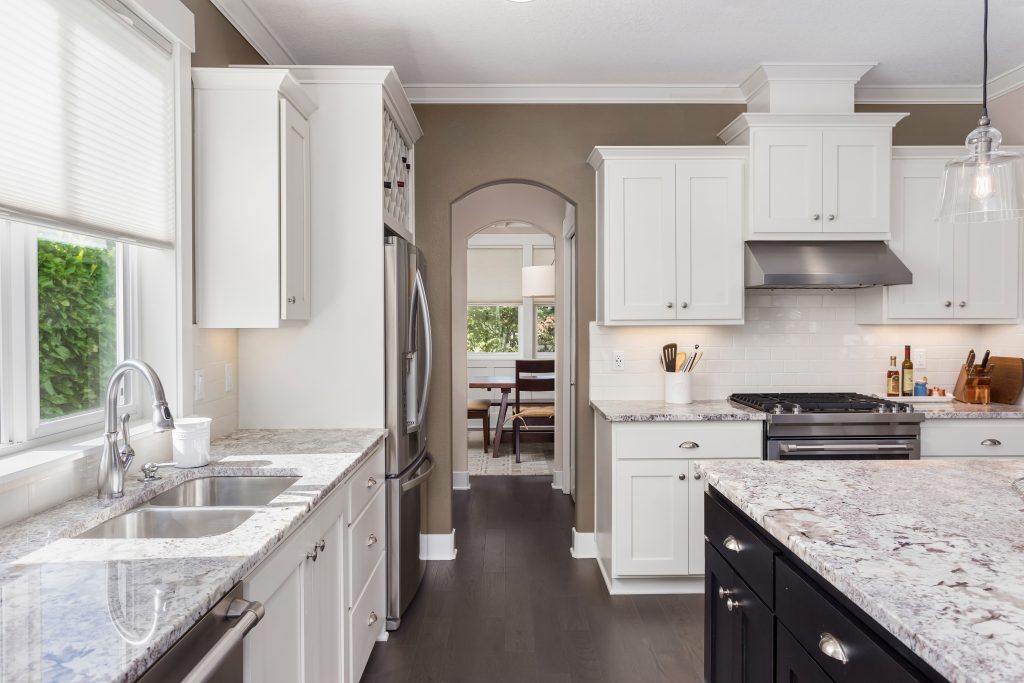
Quartzite does not usually stain easily when it is properly sealed, but it can absorb liquids if the sealer is worn or the stone is more porous. Coffee, wine, oil, sauce, and colored liquids should still be wiped quickly.
The exact performance depends on the slab. Some quartzites are dense and very resistant. Others may need more careful sealing. This is why material selection matters.
At Granite Depot of Myrtle Beach, we recommend asking about sealing, cleaning habits, and the specific slab before making a final decision. A homeowner should not assume that every quartzite performs exactly the same.
Can quartzite handle heat?
Yes, quartzite has strong heat resistance and usually performs well in kitchens where cooking happens every day. It is a natural stone formed under intense pressure and heat, which gives it strong durability.
Even with that strength, we still recommend using trivets. Direct heat may not immediately harm the stone, but repeated heat exposure can affect sealers, finishes, caulk, and surrounding materials. Good habits protect the entire installation, not only the slab.
| Material | Heat Resistance | Stain Resistance | Maintenance Level |
|---|---|---|---|
| Granite | High | Good when sealed | Moderate |
| Quartz | Moderate | Very good | Low |
| Marble | Good but sensitive | Moderate | Higher |
| Quartzite | High | Good when sealed | Moderate |
Quartzite is a strong choice for homeowners who cook often but still want a natural stone surface with visual depth.
What colors and patterns does quartzite offer?
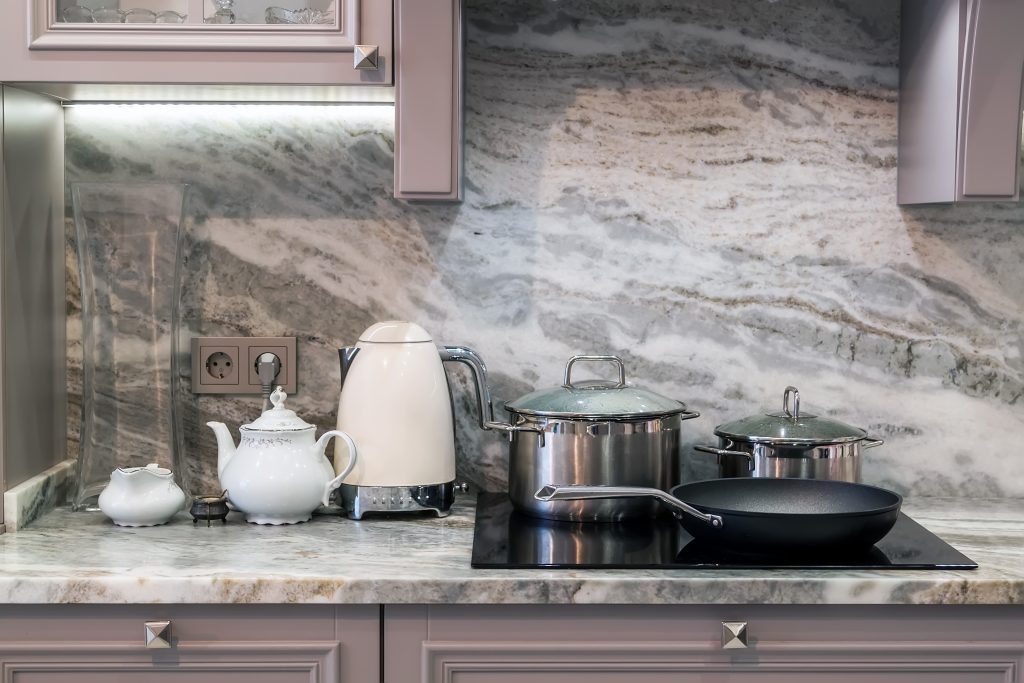
Quartzite often comes in white, gray, beige, cream, taupe, gold, soft green, charcoal, and mixed natural tones. Some slabs look calm and subtle. Others have bold veining and dramatic movement.
A quiet quartzite can work well in a small kitchen, bathroom vanity, or space with detailed cabinets. A dramatic quartzite can work beautifully on a large island, waterfall countertop, or open-concept kitchen where the stone is meant to stand out.
The key is balance. A strong quartzite pattern usually needs simpler cabinets and a calmer backsplash. A soft quartzite allows more design flexibility with cabinet color, tile, and hardware.
What finish works best for quartzite?
A polished finish works best when the homeowner wants brightness, stronger color depth, and easier wipe-downs. A leathered finish works well when the homeowner wants texture, less glare, and better smudge control.
Honed quartzite can look soft and modern, but it may show oils, fingerprints, or water marks depending on the color and slab. Finish choice should be based on real daily use, not only appearance.
| Finish | Best Feature | Possible Concern |
|---|---|---|
| Polished | Reflects light and sharpens veining | Dark slabs may show streaks |
| Honed | Soft, low-glare look | May show oils or hand marks |
| Leathered | Hides smudges and adds texture | Needs proper cleaning habits |
A finish can change how the same slab looks. It can also change how forgiving the surface feels after cooking, cleaning, and daily use.
How much does quartzite cost compared with other materials?
Quartzite starts around $75 per square foot, while granite starts around $42, quartz around $55, and marble around $55. Final pricing depends on slab selection, square footage, edge profile, sink cutouts, backsplash pieces, fabrication, and installation.
| Material | Starting Price | Best For |
|---|---|---|
| Granite | From about $42 per sq. ft. | Durable natural stone at a lower starting point |
| Quartz | From about $55 per sq. ft. | Low-maintenance kitchens |
| Marble | From about $55 per sq. ft. | Elegant surfaces with careful use |
| Quartzite | From about $75 per sq. ft. | Strong natural stone statement |
Granite Depot of Myrtle Beach reviews pricing before fabrication so homeowners understand the full project. For granite companies in Socastee, SC, a clear estimate should include material, templating, fabrication, installation, edge work, cutouts, seam planning, and backsplash options.
How long does quartzite countertop installation take?
Most countertop projects take about 7 to 10 days after final measurements. This includes templating, slab layout, fabrication, edge finishing, sink cutouts, scheduling, and installation.
Quartzite can require careful fabrication because it is dense and can be more demanding to cut than some other materials. Sink openings, seams, edge profiles, and backsplash pieces should be planned accurately before cutting begins.
At Granite Depot of Myrtle Beach, we explain the timeline early because natural stone projects need careful preparation. The 7 to 10 day process helps keep fabrication, installation, plumbing, and backsplash coordination organized.
What should homeowners check before choosing quartzite?
Homeowners should check the exact slab, not only the name of the material. Quartzite varies in color, movement, porosity, and finish options.
A practical review should include:
- Full slab pattern and veining
- Cabinet color and door style
- Backsplash sample
- Lighting during day and evening
- Finish choice: polished, honed, or leathered
- Sealing expectations
- Edge profile
- Sink and appliance cutouts
- Maintenance habits
Before choosing quartzite, homeowners should also compare it with granite, quartz, and marble. This helps clarify whether the priority is natural beauty, low maintenance, heat resistance, or price.
FAQ: Quartzite countertops
Is quartzite a good countertop material?
Yes, quartzite is a strong natural stone option for homeowners who want durability, natural movement, and a premium look.
Is quartzite the same as quartz?
No. Quartzite is natural stone, while quartz is an engineered surface made with minerals, resin, and pigments.
Is quartzite better than marble?
For daily kitchen use, quartzite is usually more practical than marble because it is generally more resistant to scratches, heat, and etching.
Does quartzite need sealing?
Yes, quartzite should be sealed as needed to help protect against stains from oils, wine, coffee, and other spills.
How much does quartzite start at?
Quartzite starts around $75 per square foot. Granite starts around $42, quartz around $55, and marble around $55.
How long does installation take?
Most countertop projects take about 7 to 10 days after final measurements, depending on material, fabrication, cutouts, seams, and scheduling.
Should I choose quartzite or granite?
Choose quartzite if you want a more distinctive natural stone statement. Choose granite if you want durable natural stone at a lower starting price.
Where can homeowners near Socastee, SC compare quartzite and other natural stone options?
Granite Depot of Myrtle Beach is located in Myrtle Beach, SC and serves nearby communities, including Socastee, SC. We help homeowners compare granite companies in Socastee, SC, review granite, quartz, marble, and quartzite, plan fabrication, schedule installation, and choose backsplash options. Our team can help decide if quartzite is the right natural stone choice for the kitchen, bathroom, island, or vanity.