


When planning a kitchen renovation, many homeowners prioritize sustainability and environmental impact as key factors in their decision-making process. As awareness of environmental issues grows, more people are looking for eco-friendly options when it comes to choosing materials for their homes. One such material that has stood the test of time and continues to be a popular choice is granite. In this article, we’ll explore the environmental benefits of choosing granite for your kitchen countertops, particularly from granite companies in North Myrtle Beach, SC like Granite Depot of Myrtle Beach. We’ll also discuss how granite compares to other materials in terms of sustainability and why it might be the right choice for your eco-conscious kitchen renovation.
The Natural Origins of Granite
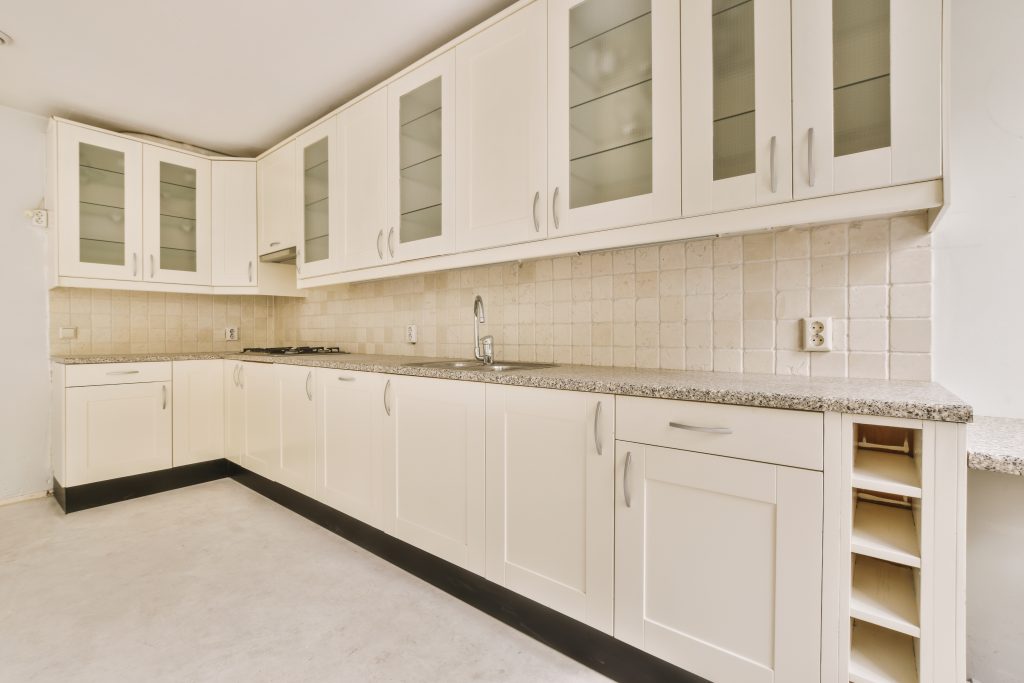
Granite is a natural stone that forms deep within the Earth’s crust over millions of years. It is composed primarily of quartz, feldspar, and mica, which give it its distinctive look and durability. Unlike engineered materials that require extensive manufacturing processes, granite is extracted from quarries, cut into slabs, and polished for use in homes.
Reduced Manufacturing Impact
One of the primary environmental benefits of granite is its minimal processing requirements. Because granite is a natural material, it does not require the same level of energy-intensive manufacturing as materials like quartz or concrete. The process of turning granite from a raw stone into a finished countertop involves quarrying, cutting, and polishing, all of which have a lower carbon footprint compared to the manufacturing of synthetic materials.
Additionally, granite does not require the use of harmful chemicals or resins during its production, making it a more environmentally friendly option. The natural beauty of granite means that it doesn’t need artificial enhancements to achieve its final appearance, further reducing the environmental impact of its production.
Longevity and Durability: Reducing Waste
Another significant environmental benefit of granite countertops is their longevity. Granite is one of the hardest natural stones, making it incredibly durable and resistant to scratches, heat, and general wear and tear. With proper care, granite countertops can last for decades, often outlasting other elements of the kitchen.
Long-Term Use Reduces Waste
The durability of granite means that it does not need to be replaced as frequently as other countertop materials. This long lifespan significantly reduces the amount of waste generated from home renovations, as fewer countertops are discarded over time. In contrast, materials like laminate or solid surface countertops may need to be replaced more frequently, contributing to landfill waste and the environmental impact associated with manufacturing new countertops.
Choosing granite for your kitchen not only provides you with a beautiful and long-lasting surface but also contributes to reducing the overall environmental footprint of your home by minimizing waste.
Natural, Non-Toxic Material
In a time when indoor air quality and exposure to toxic chemicals are growing concerns, granite offers a safe and natural option for your kitchen countertops. Unlike some synthetic materials that may emit volatile organic compounds (VOCs) or other harmful substances, granite is a natural stone that does not release toxic chemicals into your home.
Safe for Your Home Environment
Because granite is an inert material, it does not off-gas or emit harmful substances, making it a safe choice for families, especially those with young children or individuals with chemical sensitivities. The lack of harmful emissions from granite countertops contributes to better indoor air quality, which is an important consideration in creating a healthy home environment.
In addition to being non-toxic, granite is also resistant to bacteria and mold when properly sealed, making it a hygienic choice for kitchen surfaces where food is prepared.
Local Sourcing Reduces Carbon Footprint
Another environmental benefit of choosing granite is the potential for local sourcing. Many granite companies in North Myrtle Beach, SC, including Granite Depot of Myrtle Beach, offer locally sourced granite, reducing the carbon footprint associated with transportation.
Supporting Local Economies and Reducing Emissions
By choosing granite that is quarried and processed closer to home, you can significantly reduce the environmental impact of your kitchen renovation. Transporting heavy materials like granite over long distances requires a considerable amount of energy and generates greenhouse gas emissions. Local sourcing minimizes these emissions, making your countertop choice more sustainable.
Additionally, supporting local granite companies helps boost the local economy by keeping jobs and revenue within the community. This local focus not only benefits the environment but also contributes to the economic health of the region.
Comparison to Other Materials
When considering the environmental impact of your kitchen countertops, it’s important to compare granite to other popular materials like quartz, concrete, and laminate.
Granite vs. Quartz
Quartz countertops are engineered from natural quartz crystals combined with resins and pigments. While quartz is a durable and low-maintenance material, its production process is more energy-intensive than that of granite. The manufacturing of quartz involves crushing the natural quartz, mixing it with resins (which are often petroleum-based), and then curing it in a process that requires significant energy.
While quartz can be a more consistent and versatile material in terms of appearance, it does not offer the same level of natural beauty or minimal environmental impact as granite. For homeowners looking to minimize their carbon footprint, granite’s simpler production process and lack of synthetic additives make it a more eco-friendly choice.
Granite vs. Concrete
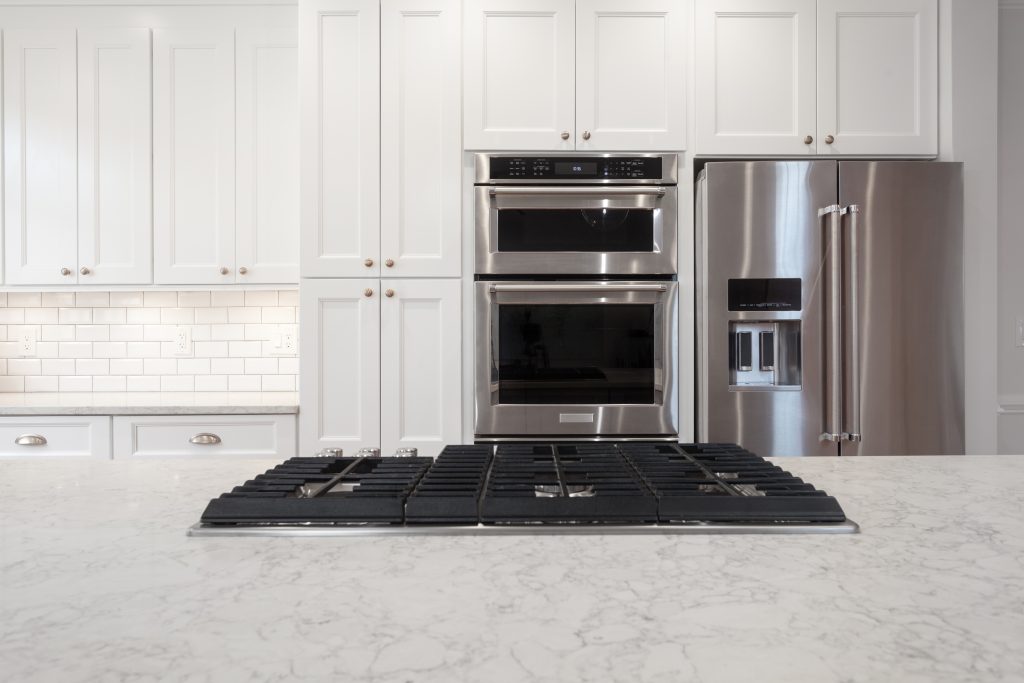
Concrete countertops have gained popularity in recent years due to their industrial aesthetic and customization options. However, concrete production is one of the most energy-intensive processes in the building industry. The production of cement, a key ingredient in concrete, is responsible for a significant amount of global CO2 emissions.
In contrast, granite requires far less energy to produce and does not contribute to the same level of greenhouse gas emissions. While concrete countertops can be durable and stylish, they are not as environmentally friendly as granite.
Granite vs. Laminate
Laminate countertops are often chosen for their affordability and wide range of design options. However, laminate is a synthetic material made from layers of paper and resin, bonded together with adhesives. The production of laminate involves the use of chemicals and energy-intensive processes, making it less environmentally friendly than natural stone.
Moreover, laminate countertops are less durable than granite and may need to be replaced more frequently, leading to increased waste. Granite’s natural durability and longevity make it a more sustainable option over the long term.
Choosing Granite Depot of Myrtle Beach
When it comes to selecting granite companies in North Myrtle Beach, SC, Granite Depot of Myrtle Beach stands out for its commitment to quality, sustainability, and customer satisfaction. They offer a wide selection of high-quality granite slabs, many of which are sourced locally to minimize environmental impact.
Expert Guidance and Sustainable Choices
The team at Granite Depot of Myrtle Beach is dedicated to helping you make an informed decision that aligns with your environmental values. They provide expert guidance on selecting the right granite for your kitchen, taking into consideration factors like color, pattern, durability, and sustainability.
By choosing Granite Depot of Myrtle Beach, you can be confident that you are working with a company that prioritizes environmental responsibility and offers products that will enhance the beauty and sustainability of your home.
Conclusion: The Eco-Friendly Choice for Your Kitchen
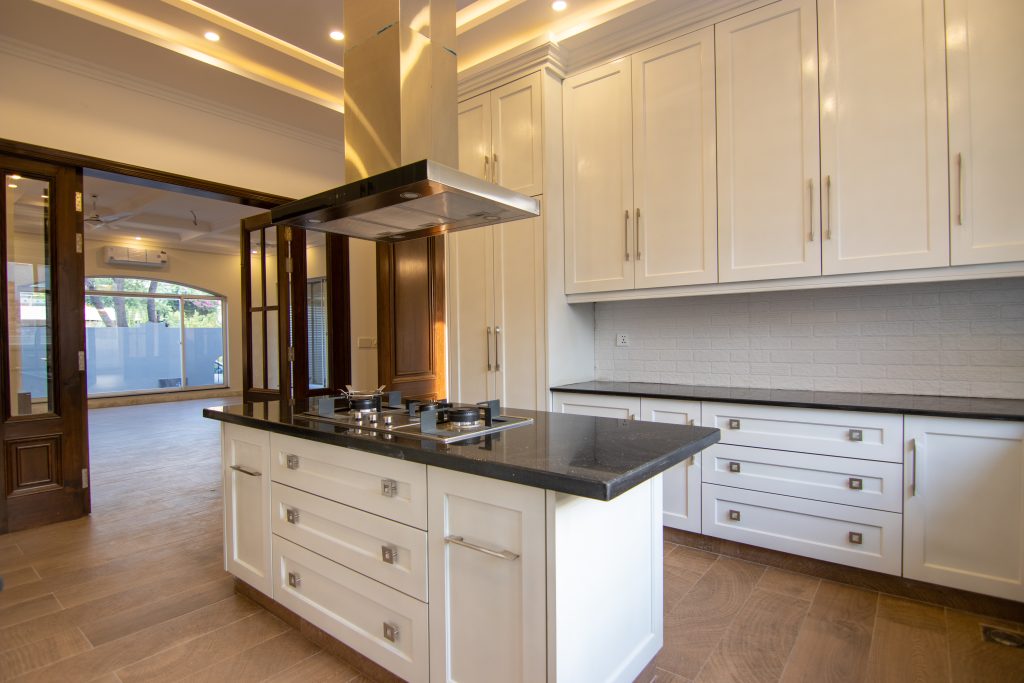
When it comes to creating a sustainable kitchen, granite companies in North Myrtle Beach, SC offer a range of environmental benefits. From their natural origins and minimal processing requirements to their durability and non-toxic qualities, granite is an excellent choice for eco-conscious homeowners. By choosing granite from a reputable supplier like Granite Depot of Myrtle Beach, you can enjoy the beauty and functionality of this natural stone while also contributing to a healthier environment.
Granite Depot of Myrtle Beach is your trusted partner in selecting and installing granite countertops that meet your design and sustainability goals. Contact them today to explore their extensive selection of granite and start your journey toward a more eco-friendly kitchen.