


Natural stone countertops can lose their beauty and durability if they are not properly sealed. Granite, marble, and quartzite are naturally porous materials, which means liquids, oils, and stains can enter the stone surface when it is left unprotected.
When we work with homeowners, one of the most common questions we hear is whether sealing is really necessary. Many people assume that because stone is strong, it does not need maintenance. The reality is that strength and stain resistance are two different things.
At Granite Depot of Myrtle Beach, we help homeowners choose the right stone and understand how proper care affects the lifespan of their countertops. A quality installation is only the beginning – ongoing maintenance helps protect the investment.
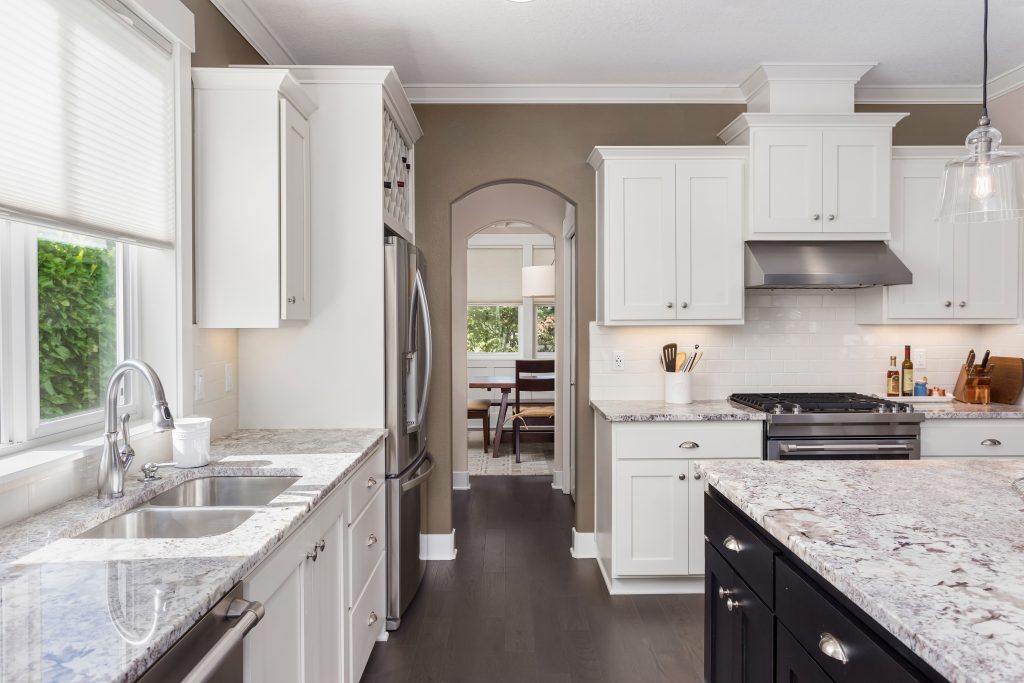
Do natural stone countertops need to be sealed?
Yes, most natural stone countertops need sealing because the stone surface can absorb liquids and stains. Granite, marble, and quartzite all have different levels of porosity, but sealing helps reduce the risk of damage.
A sealer creates a protective barrier that slows absorption. It does not make the stone completely stain-proof, but it gives homeowners more time to clean spills before they penetrate the surface.
Many customers who visit granite stores in Red Hill, SC ask whether sealing changes the appearance of their countertops. A properly applied sealer should maintain the natural look of the stone while providing additional protection.
What happens if you never seal granite countertops?
Unsealed granite can absorb moisture, oils, and acidic substances over time. While granite is one of the more durable countertop materials, an unprotected surface may develop stains that are difficult to remove.
Common issues we see with neglected granite include:
- Dark spots from absorbed liquids
- Oil marks around cooking areas
- Uneven discoloration
- A dull or worn appearance
Granite is naturally dense compared to many other stones, but kitchens are high-use spaces. Spills from coffee, wine, cooking oils, and sauces can create problems when the stone is not protected.
Can unsealed marble countertops get damaged?
Yes, marble is especially sensitive because it is softer and more porous than granite. Without proper sealing and maintenance, marble can absorb liquids and react more easily with acidic substances.
For example, lemon juice, vinegar, and some cleaning products can cause etching on marble. Etching appears as dull marks where the surface finish has been affected.
We often explain to homeowners looking at granite stores in Red Hill, SC that marble is chosen for its unique beauty, not because it requires no maintenance. It rewards proper care with a timeless appearance.
Is quartzite affected by not sealing it?
Yes, quartzite can also benefit from sealing because natural quartzite is porous. Although quartzite is extremely hard and durable, it is still a natural stone that can absorb liquids.
Quartzite is often selected by homeowners who want the appearance of marble with higher durability. However, durability does not eliminate the need for maintenance.
Regular sealing helps protect quartzite from:
- Cooking oils
- Water absorption
- Staining from colorful foods
- Everyday kitchen spills
How often should natural stone countertops be sealed?
Most natural stone countertops should be sealed approximately every 1–3 years, depending on the stone type, usage, and the quality of the original sealer.
High-traffic kitchens may need more frequent maintenance because countertops experience daily exposure to moisture, heat, food, and cleaning products.
A simple test homeowners can use is the water test. Place a few drops of water on the surface and wait several minutes. If the stone darkens quickly, it may be time to reseal.
Which countertop materials require sealing?
Natural stones usually require sealing, while engineered materials may not. The maintenance requirements depend on the material composition.
| Material | Requires Sealing? | Maintenance Level |
|---|---|---|
| Granite | Usually yes | Low to moderate |
| Marble | Yes | Moderate to high |
| Quartzite | Usually yes | Moderate |
| Quartz | No | Low |
Quartz is different because it is engineered from natural quartz particles and resins. It does not have the same porous structure as natural stone.
How much do natural stone countertops cost?
The cost of natural stone countertops depends on the material, size, fabrication details, and installation requirements.
Typical material pricing includes:
| Material | Starting Price |
|---|---|
| Granite | $42 |
| Quartz | $55 |
| Marble | $55 |
| Quartzite | $75 |
Additional costs may depend on:
- Countertop measurements
- Edge selections
- Sink cutouts
- Installation complexity
- Required repairs or preparation work
At Granite Depot of Myrtle Beach, we help homeowners compare materials based on both appearance and long-term maintenance needs.
Does sealing prevent all countertop stains?
No, sealing reduces the risk of stains but does not completely prevent them. Homeowners still need to clean spills quickly and use appropriate cleaning products.
A sealer works by slowing absorption. It gives you extra time, but it does not create an invisible shield against every type of damage.
For example, leaving oil, wine, or acidic liquids on an uncleaned surface for hours can still cause problems even on sealed stone.
What is the process for installing and protecting natural stone countertops?
Professional countertop installation involves more than simply placing a stone slab in the kitchen. Proper fabrication and preparation are important for long-term performance.
Our typical process includes:
- Measuring the countertop area
- Helping homeowners select granite, marble, quartzite, or quartz
- Fabricating the stone with precise cuts
- Preparing sink openings and edges
- Installing the finished countertop
- Applying recommended protection when needed
The fabrication and installation timeline is usually around 7–10 days, depending on the project details and material availability.
Can sealing improve the lifespan of stone countertops?
Yes, sealing can help natural stone countertops maintain their appearance and function for many years. Proper maintenance protects the surface from everyday kitchen challenges.
A countertop is exposed to more than just spills. It experiences:
- Heat from cookware
- Food preparation
- Cleaning products
- Heavy daily use
When homeowners combine professional installation with regular maintenance, natural stone can remain a beautiful part of the kitchen for decades.
Should I choose natural stone if I want low maintenance?
Yes, but you should choose the right material based on your lifestyle. Natural stone can be very practical when homeowners understand its care requirements.
Granite is often recommended for busy kitchens because it offers strong durability and requires relatively simple maintenance. Marble provides a luxury appearance but needs more attention.
When customers compare options at granite stores in Red Hill, SC, we focus on helping them choose a material that fits how they actually use their kitchen.
FAQ
How often should granite countertops be sealed?
Most granite countertops should be resealed every 1–3 years depending on use and the type of stone.
What happens if I spill water on unsealed stone?
The stone may absorb the water and darken temporarily, especially if it is more porous.
Is quartz easier to maintain than granite?
Yes, quartz generally requires less maintenance because it does not need sealing.
Can sealing remove existing stains?
No, sealing prevents future absorption but does not remove stains already inside the stone.
Does marble need more care than granite?
Yes, marble is more sensitive to acids and scratches, so it typically requires more maintenance.
How long does countertop installation take?
Most countertop projects are completed within about 7–10 days after measurements and material selection.
Natural Stone Countertop Services in Myrtle Beach, SC and Red Hill, SC
At Granite Depot of Myrtle Beach, we provide countertop selection, fabrication, and professional installation services for homeowners throughout Myrtle Beach, SC, Red Hill, SC, and surrounding areas. We work with granite, quartz, marble, and quartzite to help customers create durable kitchen and bathroom surfaces.
Whether you are comparing materials from granite stores in Red Hill, SC or planning a complete countertop upgrade, we help you choose the right stone, installation approach, and maintenance plan for your home.