

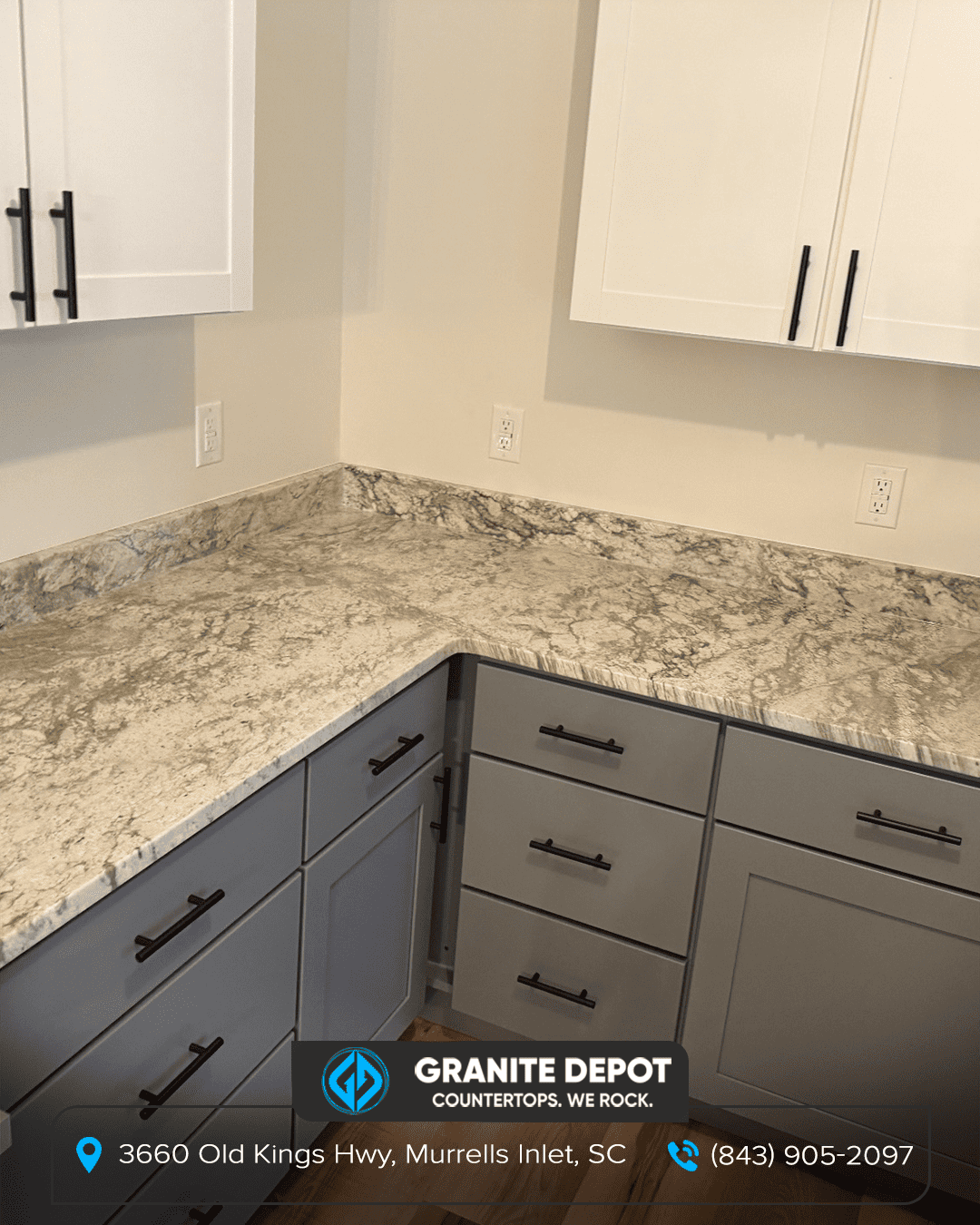
Granite is often considered one of the most durable and reliable countertop materials on the market. With its natural beauty and reputation for strength, many homeowners expect granite to last for decades without issue. However, not all granite installations live up to that promise. Over time, cracks, shifting, stains, and even structural failure can appear—turning what was once a dream upgrade into a frustrating repair project.
What causes some granite installations to age gracefully while others deteriorate prematurely? The answer often lies not in the stone itself, but in how it was fabricated, installed, and maintained. For homeowners working with granite companies in Little River, SC, understanding these risk factors is key to making a lasting investment.
It Starts with the Stone: Why Not All Granite Is Created Equal
Many homeowners are surprised to learn that granite varies significantly in quality. While it’s all technically “granite,” the structural integrity, porosity, and composition can change from one slab to another. Some slabs contain natural fissures, softer mineral veins, or excessive iron deposits that can lead to rust or weakening over time—especially in humid environments like Little River.
Reputable granite companies in Little River, SC know how to identify slabs that are best suited for long-term residential use. They look beyond surface beauty to evaluate a stone’s density, uniformity, and origin. Unfortunately, some suppliers prioritize aesthetics or cost over structural quality, which means homeowners may end up with a slab that’s more prone to cracking or chipping.
Granite Depot of Myrtle Beach emphasizes full slab inspection before fabrication begins. Their team ensures each piece of stone meets high durability standards and suits the intended application—whether it’s a busy kitchen or a luxury bathroom.
If you’re choosing granite based on looks alone, you may be missing crucial information. Asking your supplier about water absorption rates, Mohs hardness, and structural composition can help you avoid future headaches.
Installation Quality: Where the Real Problems Begin
Even the highest-quality slab can fail if it’s not installed properly. Granite is heavy, rigid, and unforgiving when it comes to uneven surfaces. If the cabinets beneath are not perfectly level, the countertop can develop stress points that lead to cracks over time. This is especially true in long spans or large islands without adequate support.
Poorly fabricated seams can also lead to long-term issues. Seams that are too tight or misaligned can shift, especially in homes that experience humidity fluctuations or subtle foundation movement. Over time, moisture can seep into the seams, weakening the adhesive and exposing the granite to cracking or separation.
Experienced granite companies in Little River, SC know how to account for these challenges. They reinforce vulnerable sections, apply proper support under overhangs, and use top-tier adhesives and leveling techniques. They also make sure the stone is acclimated to the room’s environment before installation, reducing the risk of thermal expansion problems.
Granite Depot of Myrtle Beach takes this stage seriously, conducting full pre-installation assessments and double-checking that all cabinetry is reinforced and level. Their teams also educate homeowners about post-installation care, helping them avoid damage that can occur within the first weeks after the stone is set.

Environmental and Structural Factors That Affect Granite’s Longevity
Granite may be tough, but it isn’t immune to the environment around it. In a coastal climate like Little River, humidity, salt air, and temperature fluctuations can impact how granite ages. If not sealed properly, granite can absorb moisture—leading to stains, discoloration, or expansion that causes stress in the stone.
Granite installed near windows or over dishwashers can also experience thermal shock. This occurs when a section of stone is exposed to intense heat or direct sun, causing it to expand more rapidly than surrounding areas. Over time, this imbalance can lead to fine cracks or structural failure.
Even indoor air quality and daily usage patterns can affect granite’s lifespan. Kitchens where hot pots are regularly placed directly on the surface, or bathrooms where cosmetics and cleansers are used heavily, may see more wear without proper protection.
That’s why the best granite companies in Little River, SC take the time to educate clients about how their environment and lifestyle interact with the material. A stone that works perfectly in one home may be a poor fit for another if these variables aren’t considered during selection and planning.
Lack of Maintenance: The Slow Decline of Even the Best Installations
Granite is often marketed as “low-maintenance,” but that doesn’t mean “no maintenance.” Even the best installations require basic upkeep to remain in peak condition.
Sealing is one of the most misunderstood aspects of granite care. While not every slab needs frequent sealing, many do—especially lighter-colored granites or those with higher porosity. Skipping this step can leave your stone vulnerable to stains and microbial buildup.
Daily cleaning is another area where homeowners can go wrong. Harsh cleaners, acidic substances, or abrasive scrubbing tools can break down the sealant and dull the stone over time. Even granite that looks fine now may lose its shine or develop tiny surface damage that accumulates into bigger issues later.
Good granite companies in Little River, SC don’t just install and leave. They provide care instructions tailored to the specific slab you’ve chosen. They may offer sealing services on a schedule or recommend products that are safe for your finish. Granite Depot of Myrtle Beach, for example, includes a full post-installation care kit and schedule with each project—ensuring the customer has everything needed to keep the stone looking new for years.
It’s also wise to have your countertops professionally inspected every few years. A quick check from a knowledgeable team can catch issues early—before they become expensive repairs.
Conclusion: It’s Not Just the Stone—It’s the Company Behind It
If your granite countertops fail before their time, the stone itself may not be to blame. More often, it’s the result of poor slab selection, rushed fabrication, careless installation, or lack of education about ongoing care.
That’s why choosing the right partner matters. Working with experienced, detail-oriented granite companies in Little River, SC gives you more than just a countertop—it gives you peace of mind. You’re not just investing in stone; you’re investing in craftsmanship, planning, and long-term support.
Granite Depot of Myrtle Beach has built its reputation on that very promise. From the moment you walk into the showroom to years after your installation is complete, their team is focused on one thing: helping you create a space that lasts. Because granite should never be just a trend—it should be a lasting part of your home.