

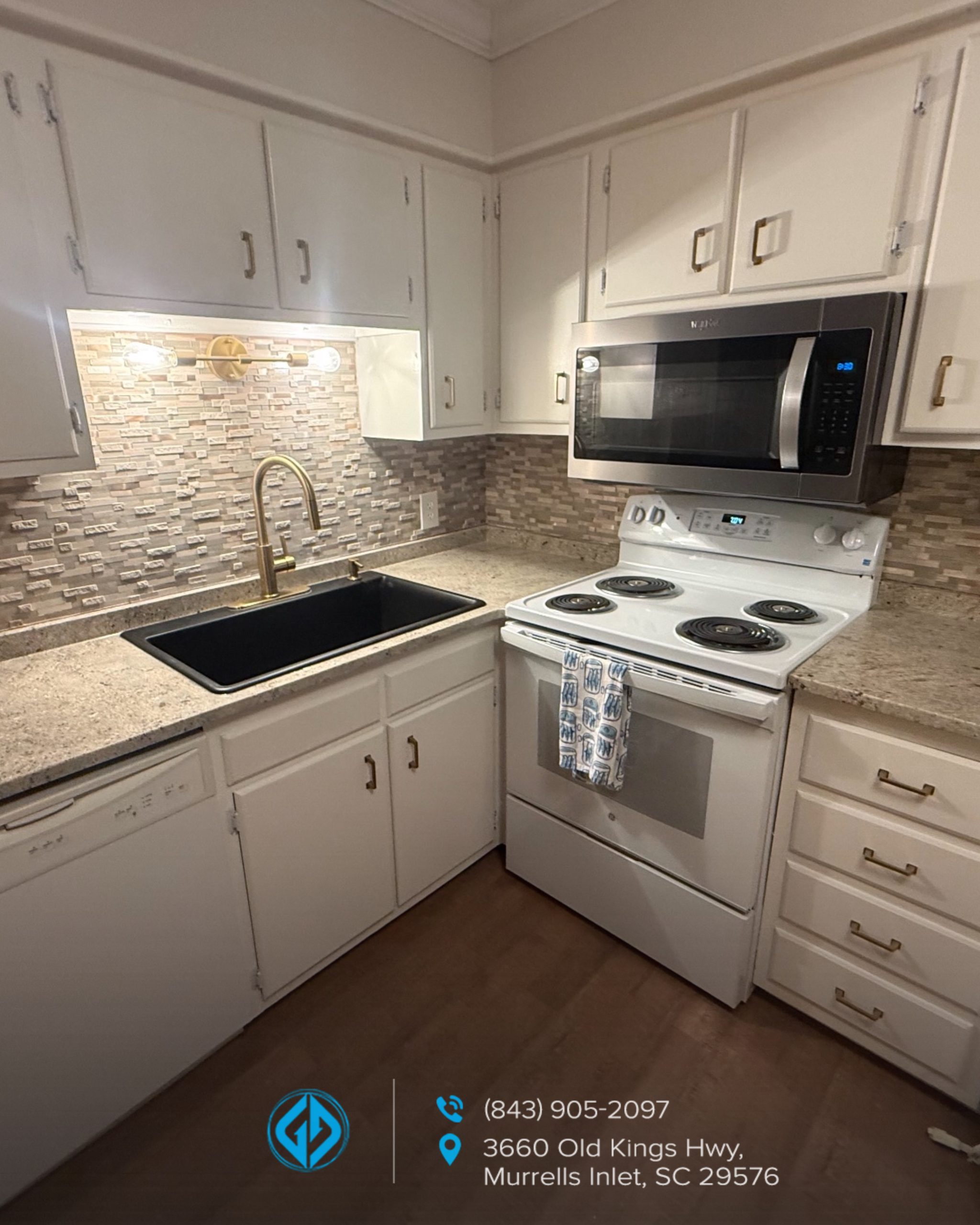
A waterfall countertop can make a kitchen island look cleaner, more modern, and more finished, but it needs careful planning before fabrication begins. The side panel has to align with the top surface, the stone pattern must be matched well, and the cabinets must be strong enough to support the added material.
At Granite Depot of Myrtle Beach, we help homeowners understand that a waterfall edge is not just a decorative upgrade. It changes the amount of stone needed, the seam layout, the fabrication work, the installation process, and the final price. For homeowners comparing granite countertop stores in Pamplico, SC, the main question should be: will a waterfall design improve the kitchen enough to justify the extra material and labor?
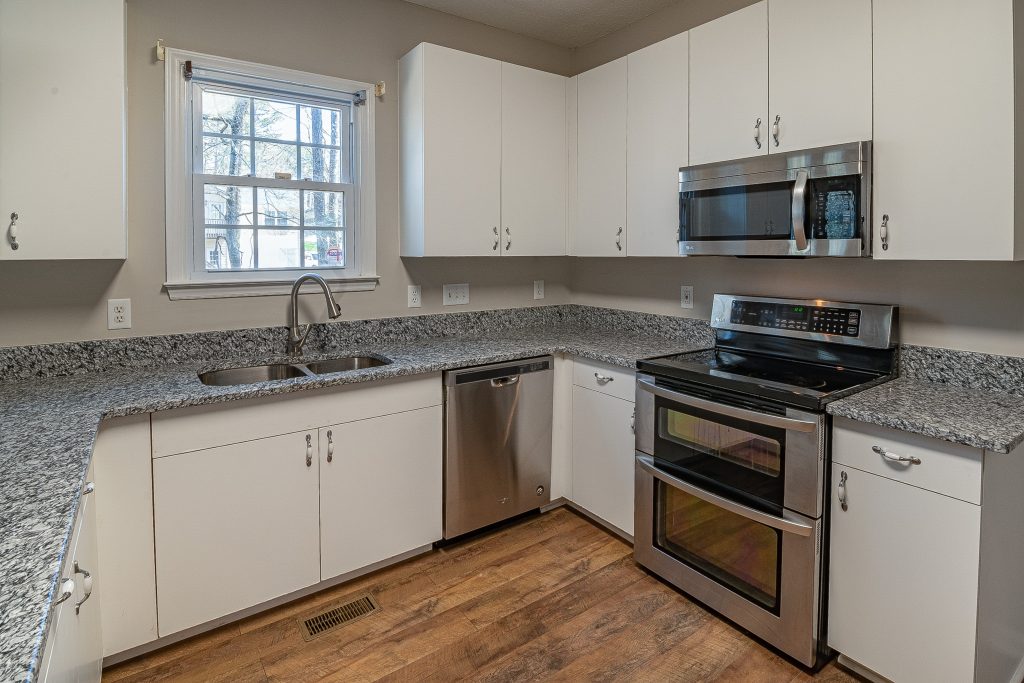
What is a waterfall countertop?
A waterfall countertop is a countertop where the stone continues vertically down one or both sides of an island or cabinet end. Instead of stopping at the edge, the slab “falls” to the floor and creates one continuous stone feature.
This style is often used on kitchen islands, peninsula ends, and statement vanity areas. It works especially well in open kitchens where the island is visible from the living or dining area.
A waterfall edge can make the island look more architectural. It can also protect the side of the cabinetry from kicks, scuffs, and daily wear.
Is a waterfall countertop worth it?
A waterfall countertop is worth it when the island is a major focal point and the homeowner wants a cleaner, more custom-looking design. It is not always worth it for small kitchens, tight budgets, or layouts where the island side is barely visible.
The value depends on visibility. If the island end faces the main walkway, living room, or dining area, the waterfall side can make a strong visual difference. If the side is hidden against a wall or appliance, the extra cost may not make sense.
| Situation | Waterfall Countertop Value | Why |
|---|---|---|
| Open-concept kitchen | High | Island is highly visible |
| Large island | High | More surface area to show stone |
| Small hidden peninsula | Low to moderate | Less visual impact |
| Rental or budget remodel | Moderate | May not be the best use of budget |
| Modern kitchen design | High | Clean lines support the style |
For homeowners visiting granite countertop stores in Pamplico, SC, waterfall design should be considered early. It affects slab selection, measurements, fabrication, seams, and installation.
Which materials work best for waterfall countertops?
Quartz, granite, quartzite, and marble can all work for waterfall countertops, but each material creates a different look and maintenance level. Quartz offers controlled patterns. Granite gives natural movement. Quartzite creates a premium natural stone statement. Marble looks elegant but needs more care.
Granite is a practical choice when homeowners want natural stone durability and a strong visual presence. Quartz is often easier to pattern-match because the design can be more predictable. Quartzite can look dramatic, but the slab should be reviewed carefully because movement may be bold. Marble can be beautiful, but daily use and staining risk should be discussed before choosing it.
| Material | Waterfall Look | Heat Resistance | Stain Resistance | Maintenance |
|---|---|---|---|---|
| Granite | Natural and strong | High | Good when sealed | Moderate |
| Quartz | Clean and consistent | Moderate | Very good | Low |
| Marble | Soft and elegant | Good but sensitive | Moderate | Higher |
| Quartzite | Dramatic natural stone | High | Good when sealed | Moderate |
Granite Depot of Myrtle Beach usually recommends viewing the full slab before approving a waterfall design. Small samples do not show how veining, mineral movement, or color shifts will travel down the side panel.
Why does pattern matching matter so much?
Pattern matching matters because the countertop and side panel meet at a visible edge. If the stone movement does not line up, the waterfall effect can look broken instead of seamless.
This is especially important with bold veining, strong granite movement, marble patterns, or quartzite slabs. A calm stone is easier to work with. A dramatic slab may require more careful layout and sometimes more material to achieve the right look.
A good waterfall design should feel intentional from the top surface to the floor. The side panel should not look like a random leftover piece added later.
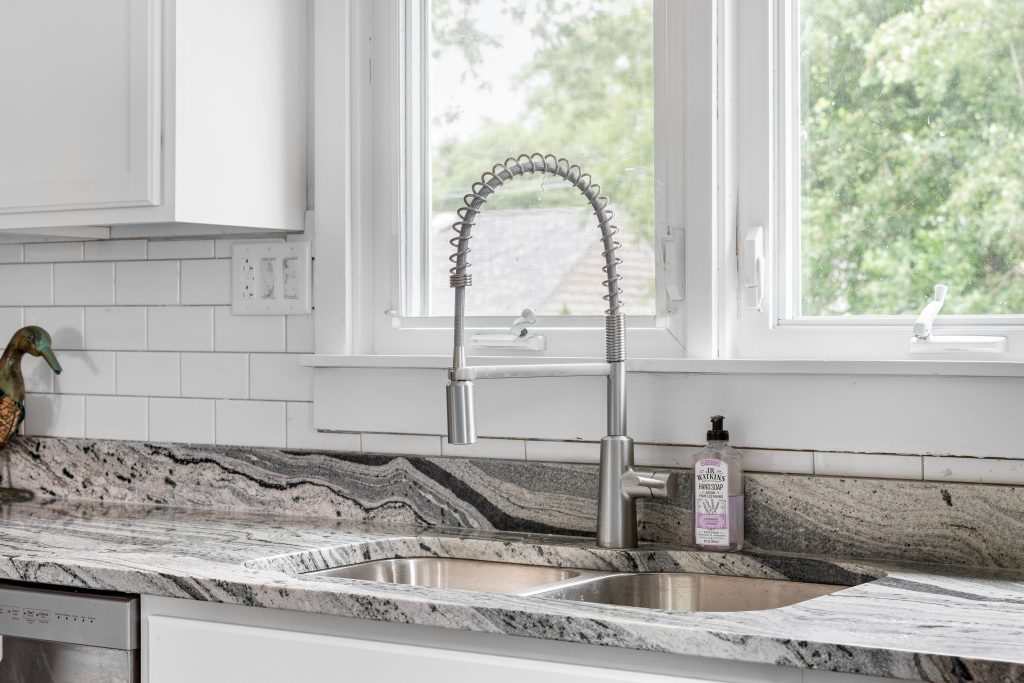
What is a mitered edge and why is it important?
A mitered edge is a fabrication technique where two stone pieces are cut at an angle and joined to create a clean corner. It is commonly used on waterfall countertops because it helps the top and side panel look like one continuous piece.
The miter joint has to be measured, cut, and installed carefully. Poor alignment can make the edge look uneven. On a waterfall island, the corner is usually very visible, so fabrication quality matters.
At Granite Depot of Myrtle Beach, we review seam placement and edge details before fabrication begins. Once the stone is cut, changes become much harder and more expensive.
Does a waterfall countertop need stronger cabinets?
Yes, a waterfall countertop needs stable, level, and properly installed cabinets because the stone adds extra weight and requires accurate alignment. The island or cabinet base must be ready before templating.
The side panel also needs a clean path to the floor. Flooring height, cabinet panels, appliance openings, outlet placement, and overhang details should all be reviewed before fabrication.
A waterfall edge is not the best place to “figure it out during installation.” The measurements need to be accurate from the beginning.
How much does a waterfall countertop cost?
Waterfall countertop pricing depends on material, square footage, slab count, height of the side panels, edge detail, mitering, seam layout, sink or cooktop cutouts, fabrication, and installation. Granite starts around $42 per square foot, quartz around $55, marble around $55, and quartzite around $75.
| Material | Starting Price | Waterfall Consideration |
|---|---|---|
| Granite | From about $42 per sq. ft. | Natural movement needs slab planning |
| Quartz | From about $55 per sq. ft. | Pattern can be easier to control |
| Marble | From about $55 per sq. ft. | More delicate for busy kitchens |
| Quartzite | From about $75 per sq. ft. | Premium look, careful fabrication needed |
For granite countertop stores in Pamplico, SC, the estimate should include more than the flat countertop surface. A waterfall project may require extra slab material, vertical panels, mitered edges, fabrication labor, installation time, and possible backsplash or side detail planning.
What affects the final price most?
The biggest cost factors are the amount of stone, the number of waterfall sides, the material type, and the fabrication difficulty. A one-sided waterfall on a small island costs less than a double-sided waterfall on a large island with bold vein matching.
Other price factors include:
- Island size and panel height
- One waterfall side or two
- Granite, quartz, marble, or quartzite selection
- Mitered edge fabrication
- Seam and vein matching
- Sink or cooktop cutouts
- Edge profile
- Delivery and installation complexity
A waterfall countertop usually costs more than a standard countertop because it uses more stone and requires more detailed fabrication.
How long does a waterfall countertop take to install?
Most countertop projects take about 7 to 10 days after final measurements, but waterfall designs may require extra planning before fabrication. The timeline includes templating, slab layout, cutting, miter work, edge finishing, scheduling, and installation.
The cabinets must be installed and level before templating. Sink, faucet, appliance, outlet, and overhang details should be finalized before the stone is cut.
Granite Depot of Myrtle Beach explains the timeline early because waterfall countertops leave less room for last-minute changes. For granite countertop stores in Pamplico, SC, homeowners should ask when the slab layout, seam placement, and edge details must be approved.
Are waterfall countertops hard to maintain?
Waterfall countertops are not usually harder to clean than standard countertops, but the vertical side panels can show scuffs, shoe marks, fingerprints, and pet marks. This is especially true on very dark polished stone or flat solid colors.
A patterned granite, soft quartz, or textured finish can be more forgiving. Polished light stone can be easy to wipe, while leathered granite or quartzite can hide small marks better.
Maintenance depends on the material. Granite and quartzite should be sealed as needed. Quartz does not need sealing but should be protected from direct high heat. Marble needs more care because it can stain and etch.
What mistakes should homeowners avoid?
The biggest mistake is choosing a waterfall edge after the slab and layout have already been planned. This feature should be part of the project from the beginning.
Another mistake is choosing a stone with dramatic movement without discussing pattern matching. A bold slab can look stunning, but only when the top and side panels are laid out carefully.
Common mistakes include:
- Forgetting the extra stone needed for side panels
- Ignoring cabinet support and leveling
- Choosing a busy slab without planning vein direction
- Not asking about mitered edges
- Using a waterfall side where it will not be visible
- Waiting too long to decide on outlets or overhangs
- Treating installation as a standard countertop project
A waterfall countertop should look simple when finished, but the planning behind it is detailed.

FAQ: Waterfall countertops
What is a waterfall countertop?
A waterfall countertop continues down the side of an island or cabinet end, creating a vertical stone panel from the top to the floor.
Is granite good for waterfall countertops?
Yes. Granite works well for waterfall countertops when the slab is planned carefully and the pattern is matched properly.
Is quartz better than granite for a waterfall edge?
Quartz can be easier to pattern-control, while granite offers natural movement and durability. The better choice depends on the look and maintenance needs.
Does a waterfall countertop cost more?
Yes. It usually costs more because it requires extra stone, side panels, mitered edges, careful fabrication, and detailed installation.
How much do countertop materials start at?
Granite starts around $42 per square foot, quartz around $55, marble around $55, and quartzite around $75.
How long does installation take?
Most countertop projects take about 7 to 10 days after final measurements, depending on material, fabrication, cutouts, edge work, and scheduling.
Do waterfall countertops work in small kitchens?
They can, but they work best when the island side is visible and the design does not make the room feel too heavy.
Where can homeowners near Pamplico, SC get help planning a waterfall countertop?
Granite Depot of Myrtle Beach is located in Myrtle Beach, SC and serves nearby communities, including Pamplico, SC. We help homeowners compare granite, quartz, marble, and quartzite, plan fabrication, review waterfall edge details, schedule installation, and coordinate backsplash options. For homeowners researching granite countertop stores in Pamplico, SC, our team can help decide if a waterfall countertop is the right choice for the layout, budget, and daily use.